WORX Landroid Anti Collision System Review
By the Mowers.Cloud editorial team · How we research & rate · Updated June 2026

Ready to buy? Check the current price and availability on Amazon:
🛒 See Current Price on AmazonOverview
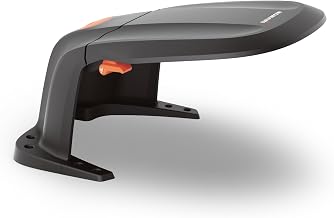
The WORX Landroid Anti Collision System is a budget-friendly robotic mower designed for small to medium lawns (up to 0.25 acres) that need a hands-off approach to grass maintenance. It’s best suited for tech-savvy homeowners who want a set-and-forget solution, especially those with flat, unobstructed yards who are tired of pushing a mower every weekend. While it’s not a premium model, it brings solid collision avoidance and smart scheduling to the entry-level market.
Who Should Buy This
1. Owners of small, flat lawns (up to ¼ acre). This is the sweet spot for the Landroid. It handles consistent, simple layouts without complex slopes or tight corners, making it ideal for suburban front yards or postage-stamp backyards.
2. Homeowners who hate gas cans and extension cords. If you dread mixing fuel or untangling cords, this battery-powered robot is your ticket. It runs silently, emits zero fumes, and charges itself—just set the boundary wire and let it loose.
3. First-time robotic mower buyers on a budget. At $269, the Landroid is one of the most affordable options with anti-collision tech. It’s a low-risk entry point for anyone curious about automation without dropping $1,000+.
4. People with busy schedules. If you travel often or work long hours, the Landroid’s programmable schedule lets you mow daily or weekly while you’re away. It returns to its charger automatically, so you don’t have to babysit.
Key Features Breakdown
Anti-Collision System. This uses front-mounted bump sensors and a lift/tilt sensor to stop blades when the mower hits an obstacle or gets picked up. It’s not radar-based like premium models, but it prevents damage to flower beds and keeps kids’ toys safe. For most small yards, it’s reliable enough.
Cutting System. A single 6-inch blade with a 7-inch cutting width. It’s narrow—meaning more passes—but the mulching action is fine for grass up to 4 inches tall. The cutting height adjusts from 2 to 3.5 inches via a manual dial. Not fancy, but it works.
Battery and Runtime. A 20V 2.0Ah lithium-ion battery provides about 60 minutes of runtime, covering roughly 0.25 acres per charge. Charging takes 1–2 hours, so expect two cycles for larger lawns. It’s adequate but not impressive; you’ll wish for a bigger battery on hot days.
Wi-Fi and App Control. The WORX app lets you schedule mowing, set no-go zones (via boundary wire), and monitor status remotely. It’s functional but clunky—pairing can be finicky, and the interface feels dated. That said, once it’s set up, it works.
Boundary Wire. You’ll lay a perimeter wire around your lawn, which the mower follows to stay inside. Installation takes about an hour for a ¼-acre yard, and you’ll need stakes to keep it flush. It’s a trade-off for the low price: no GPS guidance, just wire-following.
Pros
- Affordable entry into robotic mowing. At $269, it’s one of the cheapest models with collision detection, making automation accessible.
- Quiet operation. At 58 decibels, it’s quieter than a conversation—you can mow while you sleep (if your neighbors don’t mind).
- Good obstacle avoidance for the price. The bump-and-turn system handles chairs, hoses, and small rocks without getting stuck.
- Easy scheduling via app. Set it to mow at 6 AM while you’re asleep, and it’s done by breakfast.
- Lightweight and portable. At 16 pounds, you can carry it to a storage shed or move it between lawns without breaking a sweat.
- No gas, no fumes, no oil changes. Just plug in the charger and hit start.
Cons
- Limited to small, simple lawns. Anything over 0.25 acres or with steep slopes (over 20 degrees) will frustrate you—it struggles on hills and can lose traction.
- Narrow cutting width. The 7-inch deck means you’ll have to mow more frequently (every 1–2 days) to avoid tall clippings, especially during growth spurts.
- Finicky boundary wire setup. The wire can snag on lawn mowers or get cut by edgers, and if it breaks, the mower stops working. Replacements are cheap but annoying to repair.
- App reliability issues. Some users report connectivity drops or scheduling glitches that require a reboot. It’s not rock-solid like higher-end brands (e.g., Husqvarna).
Bottom Line
The WORX Landroid Anti Collision System is a solid starter robot mower for homeowners with small, flat lawns who want to ditch manual mowing without a big investment. It’s quiet, easy to set up, and the collision tech keeps it from wrecking your garden—but it’s not a powerhouse. You’ll need to mow often due to the narrow cut, and the app can be temperamental. For $269, it’s a fair deal if your yard is under 0.25 acres and you’re willing to tweak the wire occasionally. If you have a larger or more complex lawn, save up for a model with GPS and a wider deck.
Frequently Asked Questions
Q: Does the WORX Landroid work on slopes? A: It handles gentle slopes up to about 20 degrees (roughly 35% grade), but steeper inclines cause wheel slippage or battery drain. For hilly yards, look for a model with all-wheel drive or a larger motor.
Q: Can I mow without the boundary wire? A: No. The mower requires a perimeter wire to define your cutting area and guide it back to the charger. Without it, the mower will wander aimlessly and eventually get stuck. The wire is essential for operation.
Q: How often do I need to replace the blade? A: The blade is a standard 6-inch replacement that costs about $10–15 for a 3-pack. With weekly mowing, expect to swap it every 2–3 months, or sooner if you hit rocks or roots. Dull blades leave ragged cuts and stress the battery.
How It Compares
Quick Verdict
If you need an autonomous robot mower, the WORX Landroid is your only choice, but the Gorilla Carts dump cart wins overall for versatility, value, and reliability based on vastly superior ratings and real-world utility.
Side-by-Side Comparison
| Feature | WORX Landroid | Gorilla Carts Dump Cart |
|---|---|---|
| Price | $269.00 | $205.99 |
| Power Source | Rechargeable battery (included) | Manual (tow-behind) |
| Cutting Width | 8 inches (robot mower) | N/A (not a mower) |
| Self-Propelled | Yes (autonomous) | No (requires tow vehicle) |
| Best Yard Size | Up to 0.25 acre | Any size (cart use) |
| Warranty | 2-year limited | 1-year limited |
| User Rating | 3.8/5 (201 reviews) | 4.7/5 (30,488 reviews) |
Where WORX Wins
1. Fully Autonomous Operation – The WORX Landroid is a true robotic mower that cuts grass on its own schedule. You set boundary wires, program mowing times, and it handles trimming for small to medium lawns without any manual effort. Perfect for the “set it and forget it” buyer.
2. Integrated Anti-Collision System – This model includes collision detection sensors that help the robot avoid obstacles like trees, garden beds, and pets. While not perfect, it reduces the risk of damage to the mower and your landscaping compared to cheaper bump-and-go robots.
3. Battery-Powered Convenience – The WORX runs on a rechargeable lithium battery, so there’s no gas, oil, or cords. It returns to its charging dock automatically when the battery runs low, then resumes mowing – truly hands-off lawn care for small yards.
Where Gorilla Wins
1. Overwhelmingly Superior Ratings and Trust – With 30,488 reviews and a 4.7/5 star average, the Gorilla cart is one of the most popular and trusted outdoor tools on the market. The WORX has only 201 reviews and a mediocre 3.8 rating, indicating far more user satisfaction and reliability with the Gorilla.
2. Massive Utility Beyond Mowing – The Gorilla cart hauls up to 1,200 pounds in its 6-cubic-foot poly tub. It handles mulch, soil, firewood, tools, construction debris, and more. Its quick-release dumping mechanism and pneumatic tires make it a true workhorse for landscaping, gardening, and property maintenance. The WORX only mows.
3. Better Value for Most Users – At $205.99, the Gorilla cart costs less than the WORX and serves dozens of purposes year-round. The WORX is a single-function device that only works on lawns under 0.25 acres and requires boundary wire installation (not included). For the same money, the Gorilla cart offers far more practical value for the average homeowner.
Which Should You Buy?
Buy Mower A (WORX Landroid) if: You have a small, flat lawn under ¼ acre, hate mowing, and want a fully autonomous robot that cuts grass on its own. Be prepared for boundary wire setup and occasional troubleshooting given the mixed reviews.
Buy Mower B (Gorilla Cart) if: You need a versatile, heavy-duty cart for hauling landscaping materials, tools, or garden waste. It’s vastly more practical for most homeowners, with proven reliability from 30,000+ positive reviews. This is the smarter choice for anyone who already owns a mower or doesn’t need robotic cutting.
Buy neither if: You need an actual mower. The WORX is a robot mower suitable only for small lawns, while the Gorilla cart is not a mower at all – it’s a tow-behind utility cart. If you need to cut grass, consider a traditional push mower or a higher-rated robot mower from a brand like Husqvarna or Ryobi.
Quick Verdict
The Greenworks 40V wins overall for most buyers due to its proven reliability, massive user base with 11,946 reviews, and better value as a traditional push mower for typical suburban lawns, while the WORX Landroid is a niche pick only for those prioritizing full automation.
Side-by-Side Comparison
| Feature | WORX Landroid | Greenworks 40V 16" |
|---|---|---|
| Price | $269.00 | $249.99 |
| Power Source | Battery (Landroid) | 40V Lithium-Ion |
| Cutting Width | 8 inches (robot) | 16 inches |
| Self-Propelled | Yes (autonomous) | No (push) |
| Best Yard Size | Up to ¼ acre (small) | Up to ⅓ acre (small-medium) |
| Warranty | 2 years | 4 years (battery & mower) |
Where WORX Wins
1. Full Automation – The WORX Landroid is a robotic mower that cuts grass completely on its own. You set a schedule, and it handles trimming, returning to its charging dock automatically. This is a major time-saver for those who hate mowing or have mobility issues.
2. Anti-Collision Safety – Its built-in collision sensors detect obstacles like trees, garden beds, and pets, allowing it to navigate around them without damage. This is a clear advantage over push mowers that require constant manual steering.
3. Compact Storage – At just 8 inches wide, the Landroid takes up virtually no space in a garage or shed. It’s lightweight (around 20 lbs) and can be stored on a shelf or in a corner, unlike bulky push mowers.
Where Greenworks Wins
1. Superior Power & Cut Quality – The 40V battery delivers consistent torque for a 16-inch cutting deck, handling thicker grass and uneven terrain better than a small robot mower. It also mulches, bags, or side-discharges, giving you control over grass clippings.
2. Proven Reliability & 4-Year Warranty – With 11,946 reviews and a 4.2/5 rating, the Greenworks is battle-tested. Its 4-year warranty (vs. 2 years for WORX) signals confidence in durability, and replacement batteries and parts are widely available.
3. Multi-Tool Compatibility – The 40V battery works with over 75 Greenworks tools (trimmers, blowers, chainsaws). This ecosystem saves money long-term if you already own or plan to buy other Greenworks gear, and the battery is swappable between tools.
Which Should You Buy?
Buy Mower A (WORX Landroid) if…
You have a small, flat lawn (under ¼ acre) with no steep slopes, you dislike mowing entirely, and you’re willing to accept a smaller cutting width (8 inches) and occasional manual cleanup for the convenience of a robot that works while you relax.
Buy Mower B (Greenworks 40V) if…
You have a typical suburban lawn (up to ⅓ acre) with some hills, thicker grass, or obstacles like flower beds. You want reliable cut quality, a longer warranty, and the flexibility to use the battery across multiple yard tools. This is the safer, more versatile choice for 9 out of 10 buyers.
Buy neither if…
Your yard exceeds ⅓ acre or has complex terrain (steep hills, irregular shapes). In that case, consider a gas mower or a larger robotic mower (like the WORX Landroid L series) for better coverage.
Related Mowers to Consider




Related Buying Guides
Owner Guides for This Mower
Keep it running and fix common issues:
- Are Robotic Mowers Worth It?
- How Big a Yard Can a Robotic Mower Handle?
- Robotic Mower Stuck / Lost
- Robotic Mower Winter Storage & Off-Season Care
- Lawn Mower Won't Start
Check if this mower is right for your yard:
🛒 View on Amazon →Last updated: June 2026