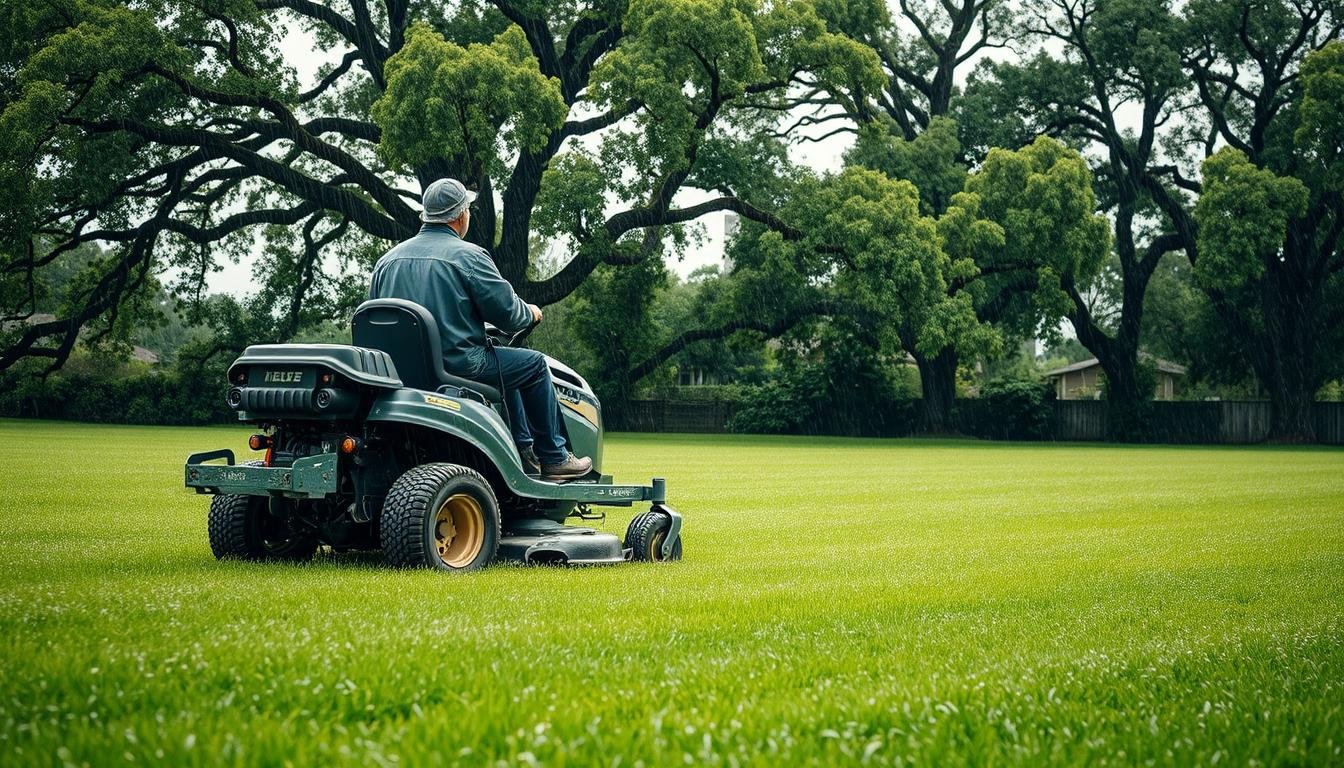
What if your lawn care schedule clashes with a rainy forecast? You face a common homeowner dilemma. The short answer is yes, you can proceed, but this task requires serious caution.
Cutting damp turf is far from ideal. Professionals strongly recommend waiting for drier conditions for the best outcome.
Waterlogged blades bend under the moisture’s weight. This makes them lie flat, often escaping the mower’s cutting path. The result is a ragged, uneven finish that lacks the crisp look you desire.
However, weather patterns are beyond our control. Extended periods of rain might leave you with no other choice. Understanding the proper techniques becomes essential for protecting your yard.
This guide explores the risks and provides safe practices for those necessary moments. You will learn about equipment adjustments and methods to minimize damage.
Key Takeaways
- Mowing a damp lawn is possible but not recommended for optimal results.
- Wet grass blades bend flat, leading to an uneven and ragged cut.
- Waiting for the turf to dry is always the safest and most effective approach.
- Weather conditions can sometimes make cutting damp grass unavoidable.
- Using correct techniques and equipment settings can help reduce potential harm.
- Safety for both the person and the lawn should be the top priority.
Risks and Challenges of Mowing Wet Grass
Cutting grass that hasn’t dried properly introduces multiple problems for your yard’s health and your personal wellbeing. The moisture creates conditions that affect both the quality of your cut and your safety during the process.
Uneven Cuts and Clumped Grass
Water-heavy blades bend downward instead of standing upright. Your equipment cannot make clean passes across flattened vegetation.
This results in a patchy, uneven appearance that becomes more noticeable after drying. You’ll likely need to make another pass to achieve uniform results.
Clippings form dense masses rather than dispersing evenly. These piles block sunlight and air from reaching the turf below. Proper overseeding timing becomes crucial for recovery.
Increased Safety Hazards
Slippery surfaces significantly raise accident potential. The U.S. Consumer Product Safety Commission reported over 250,000 lawn mower injuries in a single year.
Electric models present shock dangers when combined with moisture. Steep slopes become particularly hazardous as control becomes difficult.
Always prioritize personal protection when conditions force you to work with damp vegetation. The combination of slick terrain and powered equipment demands extreme caution.
Impact on Lawn and Soil Health
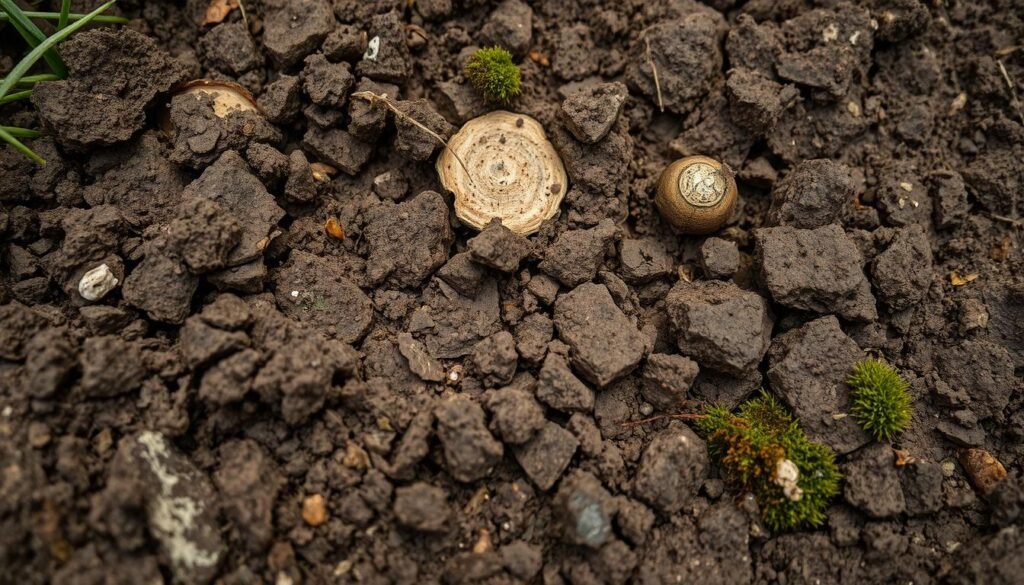
Your lawn’s underground ecosystem suffers significantly when heavy equipment meets saturated ground. The consequences extend far beyond a simple messy cut.
These actions can weaken your turf’s foundation and invite persistent health issues.
Soil Compaction and Drainage Issues
A mower’s weight presses wet soil particles tightly together. This compaction reduces essential pore space.
Air and water movement becomes restricted, suffocating grass roots. Your lawn struggles to access oxygen and nutrients.
Weak, thin, and patchy turf often results. You might also notice unsightly ruts where wheels sink into the soft ground.
Core aeration becomes a necessary step to reverse this damage and restore healthy soil structure.
Spread of Lawn Diseases
Damp conditions create a perfect breeding ground for fungal pathogens. Torn, wet grass blades offer easy entry points for infection.
Clippings cling to your mower, harboring disease spores. These fungi spread across healthy areas during your next cut.
Watch for specific symptoms. Brown patch causes large circular areas of dead grass. Dollar spot creates small, bleached circles.
Other common issues include red thread and rust disease. Proper equipment cleaning after working with damp grass is crucial for prevention.
is it ok to mow a wet lawn
Knowing when to proceed with cutting after precipitation requires careful judgment and practical testing. The right timing can protect your yard from damage while maintaining its appearance.
Expert Recommendations on Timing
After light rainfall, wait two to five hours before cutting. Heavy downpours require a full day for proper drying. These time frames help ensure safer operations.
Perform simple moisture tests before starting. Walk across your turf and check if shoes become damp. A visual inspection also reveals moisture content.
Sometimes you must mow wet grass rather than let it overgrow. Purdue University experts confirm this approach. Slightly damp vegetation is preferable to excessive growth.
Certain climates present challenges for waiting periods. Persistent rainy seasons may force earlier cutting. Mid-morning or late afternoon offers the best time mow during dry spells.
Distinguish between light dew and soaked conditions. Dewy grass may be acceptable for cutting. Waterlogged turf should always be avoided.
Recognize when conditions are too saturated. Soft ground that sinks underfoot signals postponement. Understanding these signs prevents unnecessary damage.
While you must mow during rainy periods occasionally, proper timing minimizes risks. Assess soil saturation and weather forecasts carefully. This judgment call protects both your equipment and lawn health.
Essential Safety Precautions for Wet Mowing
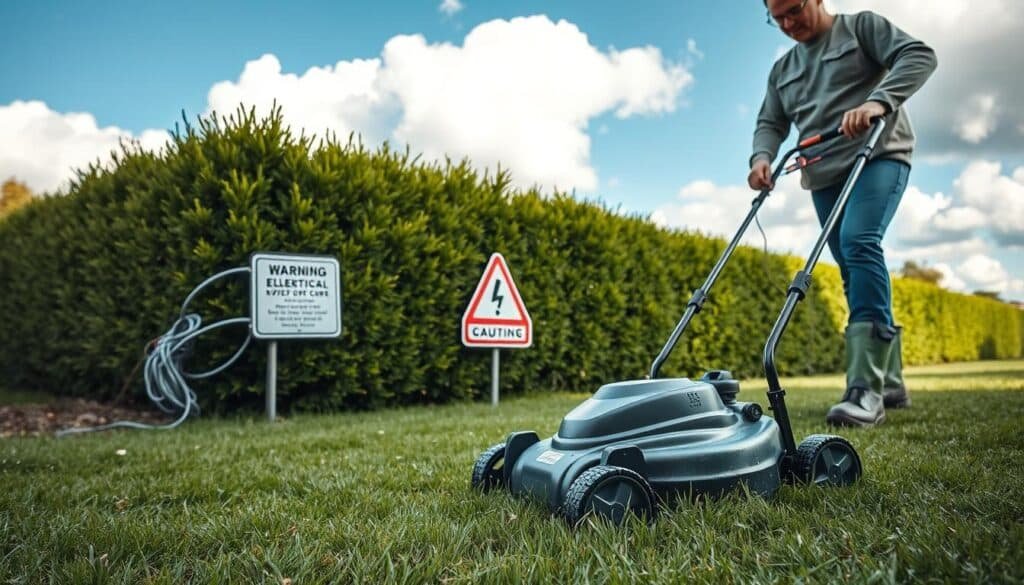
Personal protection becomes your top priority when dealing with damp turf conditions. The combination of moisture and powered equipment creates significant hazards that demand careful preparation.
Your footwear choice makes the most critical difference. Select shoes with deep, aggressive tread patterns that grip slippery surfaces effectively. Rubber-soled boots provide excellent traction and keep your feet dry during the operation.
Wearing Protective Gear and Proper Footwear
Beyond proper footwear, consider additional protective layers. Long pants shield your legs from flying debris and wet clippings. Sturdy gloves maintain your grip on the mower’s handle, especially when surfaces become slick.
Handle your equipment with deliberate, controlled movements. Avoid quick turns or sudden direction changes that could cause loss of balance. Maintain constant awareness of your footing and the terrain beneath you.
Never operate corded electric mowers in these conditions. The risk of electrocution increases dramatically when electricity meets moisture. Battery-powered or gas models offer safer alternatives for damp vegetation cutting.
Assess your yard’s slope before beginning. Steep inclines become particularly dangerous when grass contains water. If the terrain feels unstable underfoot, postpone the task for safer conditions.
Move slowly and methodically across the property. Rushing increases the likelihood of slips or falls. Your personal wellbeing outweighs any aesthetic concerns about lawn appearance.
Expert Tips and Techniques for Mowing Wet Grass
Strategic equipment preparation separates successful wet grass cutting from damaging results. These professional techniques help you achieve cleaner results while protecting your yard’s health.
Adjusting Mower Settings for Wet Conditions
Begin with sharp mower blades that slice cleanly rather than tear vegetation. Dull blades rip moisture-heavy grass, creating entry points for disease.
Raise your cutting height significantly above normal settings. Kansas State University Research and Extension recommends setting your mower as high as possible for damp conditions.
Follow the one-third rule—remove only the top portion of grass blades. This approach reduces stress on both turf and equipment during cutting wet grass operations.
Mowing at a Reduced Pace
Move slowly across your property when dealing with damp vegetation. A deliberate pace allows mower blades to cut more effectively.
Choose side discharge instead of mulching or bagging attachments. Wet clippings clog quickly, so this method prevents buildup.
Clean your mower deck frequently during mowing. Apply non-stick spray beforehand to reduce grass accumulation.
These tips reduce strain on your engine and prevent overheating. Proper technique ensures better results when you must mow wet grass.
Choosing the Right Mower and Mowing Equipment
Selecting proper equipment becomes crucial when dealing with challenging turf conditions. Your machinery choice directly affects cutting quality and turf protection during damp operations.
Different mower types handle saturated vegetation with varying effectiveness. Understanding their strengths and limitations helps you make informed decisions.
Comparing Self-Propelled and Gas-Powered Options
Gas-powered models offer superior performance for cutting wet grass. Their greater torque prevents engine strain when blades encounter resistance.
Heavy clippings demand substantial power to avoid overheating. Electric mowers struggle with thick, moisture-heavy vegetation due to limited torque.
Self-propelled mowers reduce physical effort on slippery surfaces. They provide better control on slopes and uneven terrain during challenging mowing sessions.
Weight considerations significantly impact turf health. Heavier equipment increases soil compaction risks and creates deep ruts on saturated ground.
Ride-on mowers should never operate on waterlogged soil. Their substantial weight causes permanent damage to your lawn’s structure.
Moisture exposure threatens mower components long-term. Wet grass clinging to metal parts accelerates rust and corrosion development.
Evaluate your current equipment’s capabilities before proceeding. Ensure your mower possesses adequate power for these demanding conditions.
Post-Mowing Care and Maintenance
The aftermath of working with moisture-heavy grass demands immediate attention to equipment and lawn. Proper follow-up procedures prevent long-term damage and maintain turf health.
Cleaning and Maintaining Mower Blades
Begin by thoroughly cleaning your equipment. Remove all accumulated grass and dirt from the mower deck. Sticky clippings harbor disease organisms when left unattended.
Inspect the cutting blades carefully after each use. Check for damage, dullness, and packed debris. Sharp blades ensure clean cuts rather than tearing vegetation.
Empty collection bags frequently during operations. This reduces strain on machinery and prevents rut formation. Proper cleaning prevents rust on metal components.
Inspecting Your Lawn for Post-Mowing Damage
Examine your property carefully after cutting. Look for torn grass blades, brown tips, and compacted areas. These signs indicate stress from challenging conditions.
Identify sections with clumped clippings that need raking. Dispersing these piles allows sunlight and air to reach the turf below. This simple care step promotes recovery.
Watch for disease symptoms in the following days. Brown patch and dollar spot may appear after working with damp vegetation. Early detection allows prompt treatment.
Conclusion
Ultimately, maintaining a healthy landscape means recognizing that sometimes patience delivers better results than immediate action. While cutting damp vegetation remains possible, waiting for dry turf always serves as the best practice.
Remember the significant risks: uneven cuts, dangerous clumps, soil compaction, and disease spread. Your safety should never be compromised for lawn appearance.
When weather forces your hand, apply the expert techniques discussed. Raise cutting height, sharpen blades, and move slowly. Consider professional help during extended rainy periods.
Understanding your property’s needs and applying proper methods ensures year-round success. Your careful approach protects both your investment and personal wellbeing.
FAQ
What are the biggest risks of cutting wet grass?
The primary dangers include an uneven cut and clumped clippings that can smother your turf. You also face increased safety hazards from slipping and potential electrical issues with corded mowers. The extra weight of waterlogged grass can strain your mower’s engine.
How does mowing a wet lawn affect soil health?
Mowing under wet conditions can severely compact your soil. This compaction reduces air pockets, making it harder for roots to access water and nutrients. It also creates an environment where diseases like brown patch can easily take hold and spread.
When is the best time to mow after rain?
For the healthiest results, you should wait until the grass is completely dry. This typically takes several hours of sunshine after the rain stops. Mowing on a dry day ensures a clean cut and prevents damage to both your lawn and equipment.
What safety precautions are essential for mowing in wet conditions?
A> Always wear sturdy, non-slip footwear and protective eyewear. Be extra cautious on slopes to avoid slipping. If you’re using an electric mower, ensure the cord is kept far away from any water or damp areas to prevent shock.
How should I adjust my mower for wet grass?
Raise the cutting height to reduce stress on the grass blades and your mower’s engine. Consider using a side-discharge setting instead of mulching to help prevent heavy clippings from clumping. A sharp blade is absolutely critical for a cleaner cut.
Are some mowers better for handling wet grass?
Self-propelled mowers can be easier to maneuver on slippery terrain. Gas-powered models generally offer more torque to handle the heavy, wet load compared to some electric versions. However, no mower is designed for optimal performance in saturated conditions.
What should I do after mowing a wet lawn?
A> Thoroughly clean your mower’s deck and blades to remove wet grass clippings, which can cause rust. Inspect your lawn for ruts or scalped areas. Rake up any large clumps of wet clippings to allow the turf underneath to breathe and dry.