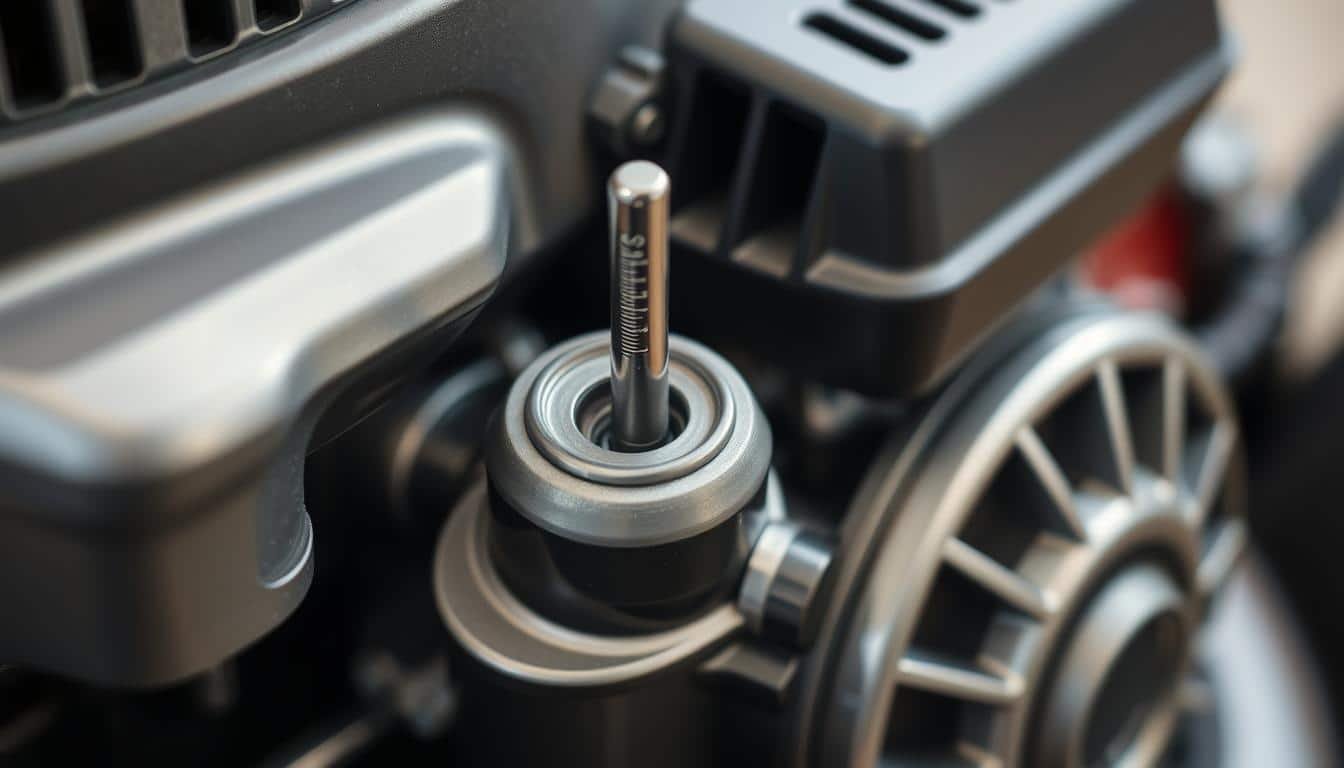
Have you ever wondered if that routine oil check for your outdoor equipment is more critical than you think? Many homeowners overlook this simple maintenance task, not realizing its direct impact on their machine’s health.
Using the correct amount of lubricant is vital for your equipment’s engine. Too little can cause overheating and severe wear. Too much creates excess pressure and potential damage. This guide provides clear answers.
We cover everything from finding your specific model’s capacity to seasonal tips. Whether you have a push model or a riding tractor, the requirements vary. Proper care extends your equipment’s life and prevents expensive repairs.
Understanding this fundamental aspect of maintenance ensures your machine runs smoothly season after season. Let’s dive into the details to keep your yard work hassle-free.
Key Takeaways
- Correct oil volume is essential for optimal engine performance and longevity.
- Overfilling or underfilling the crankcase can lead to serious internal damage.
- Oil requirements differ between walk-behind and riding mowers.
- Proper maintenance includes understanding oil types and change intervals.
- Following manufacturer specifications ensures your equipment runs smoothly.
- Seasonal conditions can affect your maintenance routine.
- Regular checks help avoid costly repairs and extend equipment life.
Introduction to Lawn Mower Oil Maintenance
The lifeblood of your yard maintenance machine depends on maintaining optimal fluid levels. This essential component protects internal parts from wear and ensures smooth operation throughout the cutting season.
Why Proper Oil Levels Matter for Your Engine
Your equipment’s engine relies on correct lubrication to function properly. When levels drop too low, metal components grind together without protection. This leads to increased friction and overheating.
Overfilling creates equally serious problems. Excess fluid causes pressure buildup in the crankcase. This can damage seals and gaskets throughout the engine system.
Fresh lubricant appears golden or amber in color. It gradually darkens as it accumulates contaminants. Dark fluid signals it’s time for replacement.
Overview of Maintenance and Seasonal Considerations
Regular maintenance includes checking levels before each use. Follow manufacturer recommendations for change intervals. Walk-behind models typically need changes every 50 hours.
Riding mowers often require changes every 100 hours. New equipment needs its first change after just five hours of operation.
Seasonal factors affect your maintenance routine. Change fluid at least once per season. Always perform this task before winter storage.
Dusty conditions and rough terrain accelerate degradation. More frequent checks maintain optimal engine protection during heavy use periods.
Understanding the Right Lawn Mower Oil for Your Engine
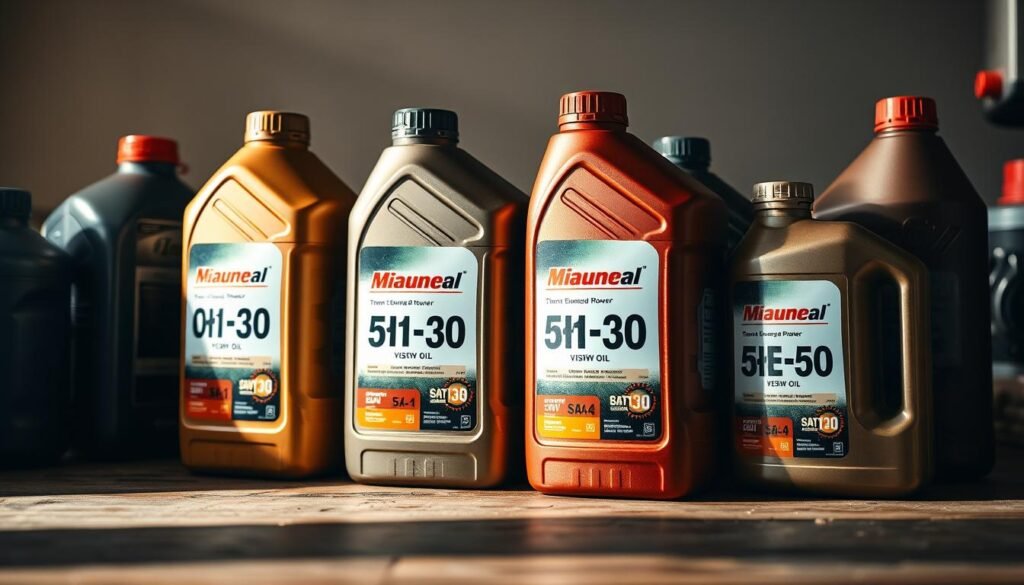
Different engine designs and operating conditions demand specific lubricant formulations for optimal results. The correct selection ensures smooth operation and extends your equipment’s service life.
Choosing the Correct Oil Type
SAE 30 works best in warmer conditions. This common choice provides excellent protection during summer months. Below 40°F, it becomes too thick for easy starting.
SAE 10W-30 offers versatility across varying conditions. It improves cold-weather starting compared to straight-weight oils. Above 80°F, you may notice increased consumption.
Synthetic SAE 5W-30 delivers superior protection year-round. This formulation ensures easier cold starts and reduced consumption. It represents the best oil choice for consistent performance.
For commercial applications, Vanguard 15W-50 handles extended operation demands. Always select high-quality detergent oils rated SF, SG, SH, SJ or higher.
How Temperature Influences Oil Selection
Temperature significantly affects lubricant viscosity and performance. Thinner formulations flow better in cold conditions for easier starting. Thicker oils maintain protective qualities during hot operation.
Synthetic oils perform well across all temperature ranges. They don’t require changes to your maintenance schedule. Your equipment’s manual provides specific recommendations based on local climate conditions.
How Much Oil Do You Put in Lawn Mower?
Determining the precise amount of lubricant for your outdoor power equipment is the first step toward proper engine care. The correct volume is not a universal figure but depends entirely on your specific machine.
Consulting your owner’s manual provides the exact specification. This ensures optimal performance and longevity for your equipment.
Manufacturer Recommendations and Specifications
Manufacturers design each lawn mower engine with a specific crankcase capacity. This is a critical specification for safe operation.
New equipment often arrives without lubricant pre-added. You must add the full amount before starting the engine for the first time.
Some engines have a fill tube with a dipstick. Others require filling to a line near the cap. A label on the engine itself may also list the capacity.
Factors That Affect the Oil Capacity for Your Mower
The primary factor influencing capacity is the engine size and type. Smaller, single-cylinder engines hold less than larger twin-cylinder designs.
This directly correlates to the type of equipment you operate. Walk-behind and riding mowers have vastly different requirements.
| Mower Type | Typical Engine Configuration | Average Oil Capacity (ounces) |
|---|---|---|
| Walk-Behind Mower | Single-Cylinder | 15 – 18 oz |
| Riding Lawn Mower | V-Twin | 48 – 64 oz |
| Commercial Riding Mower | Large V-Twin | 64+ oz |
Never overfill the crankcase. Excess lubricant creates harmful pressure and can damage engine seals. Always add fluid gradually and check levels frequently.
Checking and Changing Your Lawn Mower Oil
Accurate fluid level assessment and timely replacement form the cornerstone of engine care. These procedures protect your equipment from premature wear and ensure reliable operation throughout the cutting season.
Mastering these maintenance tasks prevents costly repairs. Proper technique ensures your machine receives optimal lubrication without overfilling risks.
Step-by-Step Guide to Checking Your Oil Level
Begin by parking your equipment on a level surface. This prevents false readings that could lead to incorrect fluid levels.
Locate the oil fill cap, typically marked with an oil can symbol. Clean the area before opening to prevent contamination.
Remove the dipstick cap and wipe the blade completely clean. Reinsert it fully, ensuring proper seating before removing again to check the actual oil level.
The mark should fall between the “FULL” and “ADD” lines. If low, add fluid gradually, allowing time for settlement between additions.
Detailed Process for Changing the Oil Safely
Start by running the engine briefly to warm the fluid. This improves flow and carries away suspended particles.
Always disconnect the spark plug lead before beginning. This critical safety step prevents accidental starting during the procedure.
Locate the drain plug beneath the engine deck. Clean the area thoroughly to prevent debris from entering the crankcase.
| Procedure Step | Key Tool Required | Safety Consideration |
|---|---|---|
| Warm Engine | None | Improves oil flow |
| Disconnect Spark Plug | Gloves | Prevents accidental start |
| Drain Old Oil | 3/8″ ratchet or adjustable wrench | Use proper collection pan |
| Replace Filter | Filter wrench | Lightly oil new gasket |
| Add New Oil | Funnel | Check for leaks after |
Use the appropriate tool to remove the drain plug. Allow complete drainage into a proper collection container.
If your equipment has an oil filter, replace it during every oil change. Lightly coat the new filter’s gasket before installation.
Add the manufacturer-recommended amount of fresh fluid. Run the engine briefly to circulate new lubricant and check for leaks.
Always dispose of used fluid responsibly according to local regulations. Many service dealers accept properly contained used oil.
Preventative Maintenance and Engine Care
A consistent preventative maintenance schedule transforms your equipment from a seasonal tool into a reliable long-term asset. This proactive approach is the key to maximizing performance and avoiding unexpected breakdowns.
Adhering to recommended service intervals is the foundation of effective engine care. These guidelines ensure your machine receives attention at the right time.
Recommended Oil Change Intervals and Usage Tips
For walk-behind models, replace the oil every 50 hours of operation or once per season. Follow the rule that occurs first. This keeps the lubricant clean and effective.
Riding lawn mower engines typically need a change every 100 hours or annually. Their larger capacity allows for longer intervals between services.
New equipment requires special attention. Perform the first change oil after just five hours of use. This removes break-in metal particles.
Check the fluid level before each mowing session. Top it off if it appears low. Operating conditions matter greatly.
Dusty environments, high temperatures, and rough terrain accelerate degradation. In these cases, consider more frequent maintenance.
The Role of Regular Maintenance in Extending Engine Life
Mower maintenance extends far beyond just lubricant. A comprehensive routine protects your investment.
Regular tasks include cleaning the air filter and sharpening the blade. These actions work together for optimal performance. They prevent small issues from becoming major repairs.
Keeping a simple logbook is a powerful habit. Record the date and hours for each service.
| Maintenance Task | Recommended Frequency | Key Benefit |
|---|---|---|
| Oil and Filter Change | Every 50-100 hours or annually | Prevents internal engine wear |
| Air Filter Cleaning/Replacement | Every 25 hours or seasonally | Ensures proper air-fuel mixture |
| Blade Sharpening | Every 25 hours or as needed | Provides a clean, healthy cut |
| Spark Plug Inspection | Annually or every 100 hours | Maintains efficient ignition |
This documented history helps you track intervals accurately. It also adds value if you decide to sell the equipment later.
Tips and Troubleshooting for Optimal Performance
Even with proper maintenance, unexpected problems can arise that require careful troubleshooting and diagnosis. Recognizing these issues early prevents minor concerns from becoming major repairs.
Identifying and Resolving Common Oil-Related Issues
Your equipment may show signs that need immediate attention. Dark, gritty lubricant indicates contamination and requires a prompt change. Milky or frothy appearance suggests water or gas has entered the system.
Excessive blue smoke during operation signals burning in the combustion chamber. This could result from overfilling or worn internal components. Frequent need to add fluid between changes may indicate leaks or consumption issues.
A strong gasoline smell when checking levels suggests fuel dilution. This condition reduces lubrication effectiveness and demands immediate correction. Using the correct viscosity for your climate prevents many common problems.
When to Consult a Professional or Refer to the Manual
Your owner’s manual provides specific guidance for your exact model. It contains vital information about capacity, types, and service intervals. Always consult this resource before attempting unfamiliar procedures.
Persistent leaks, unusual noises, or starting difficulties warrant professional attention. Authorized dealers have proper training and genuine replacement parts. They can diagnose complex issues that might worsen with DIY attempts.
Proper care extends your equipment’s service life significantly. When in doubt, seek expert assistance to avoid voiding warranties or causing additional damage. Safety should always be your top priority during maintenance.
Conclusion
Mastering your equipment’s fluid requirements ensures years of dependable service from your outdoor power tools. Proper maintenance protects your investment and prevents costly repairs down the line.
Regular checks using the dipstick maintain correct fluid levels. Following your owner’s manual specifications guarantees optimal performance. Temperature considerations guide your lubricant selection for all-season protection.
These practices form the foundation of responsible equipment ownership. Your consistent attention to maintenance details pays dividends in reliability. You can now approach each season with confidence, knowing your machine receives proper care.
The knowledge gained here empowers you to maintain peak engine performance. Your equipment will deliver consistent results cutting after cutting. This proactive approach maximizes your investment in quality outdoor power equipment.
FAQ
What is the correct amount of oil for my lawn mower?
The precise amount depends on your specific mower engine. Always check your owner’s manual for the exact capacity, which is typically between 15 to 24 ounces. Most engines have a fill line on the dipstick; add oil slowly until the level reaches that mark.
How often should I change the oil in my mower?
For optimal engine care, it’s best to change the oil every 25-50 hours of operation or at least once per mowing season. If you use your machine heavily, more frequent changes are recommended to maintain peak performance.
What type of oil should I use in my lawn mower?
Use a high-quality detergent oil classified as SJ or higher. For most temperatures, SAE 30 is common. In colder climates, a multiviscosity oil like 10W-30 is often better. Synthetic oils can provide superior protection, especially for commercial-grade mowers.
How do I check the oil level correctly?
Ensure the engine is on a level surface and cool. Remove the dipstick, wipe it clean, reinsert it fully, and then remove it again to check the level. The oil should be between the high and low marks, not above or below.
Can I use car engine oil in my lawn mower?
It is not recommended. Automotive oils often contain additives that can harm small engines. Always use oil specifically designed for small engines, like lawn mower oil, to ensure proper lubrication and avoid damage.
What happens if I overfill the oil in my mower?
Overfilling can cause serious issues, including excessive smoke, hard starting, and even engine damage. If you add too much, you must drain the excess to the correct level on the dipstick to prevent harm to internal parts.
Do I need to change the oil filter when I change the oil?
If your riding mower is equipped with an oil filter, yes, you should replace it with every oil change. This ensures that any contaminants are removed from the system, which is a key part of preventative maintenance.
What is the best way to dispose of old lawn mower oil?
Used engine oil is a hazardous waste. Never dump it on the ground or in the trash. Take it to a local recycling center, auto parts store, or service station that accepts used oil for proper disposal.