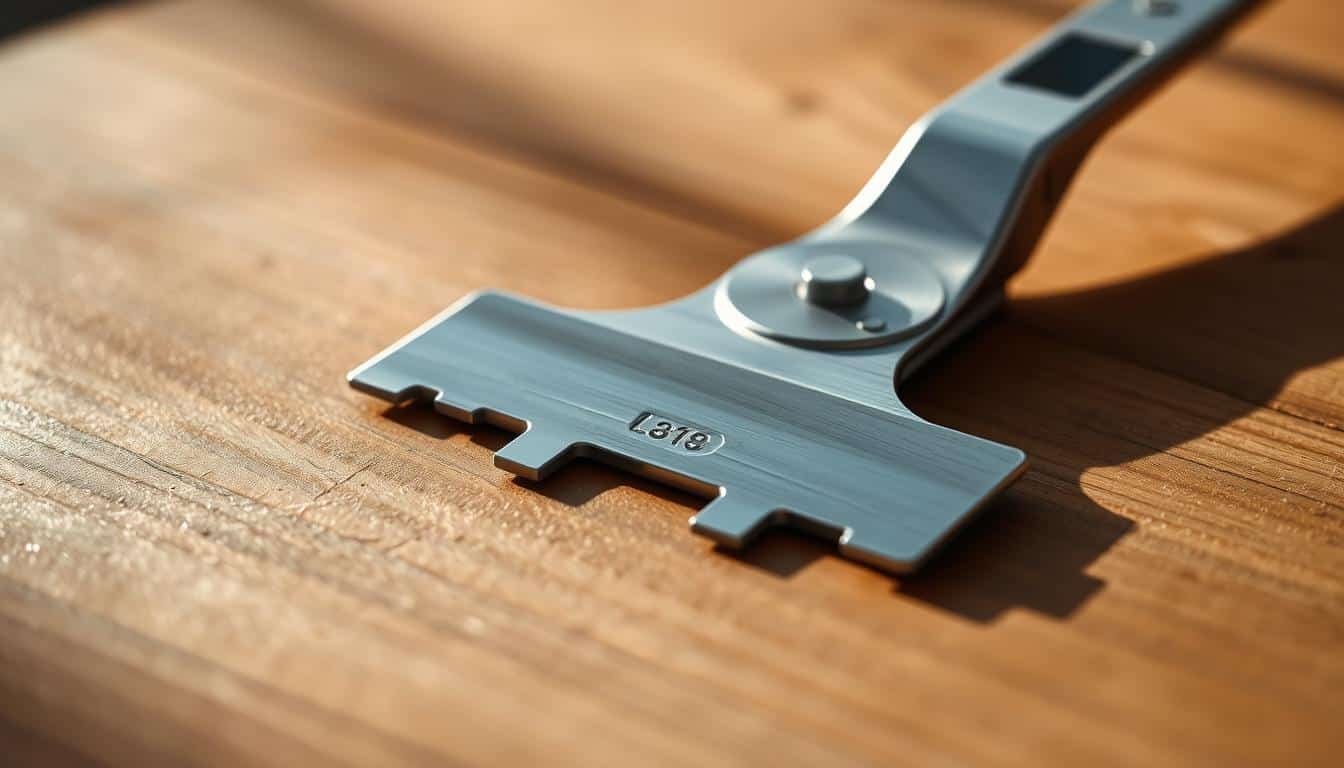
What if everything you assumed about new mower blades was completely wrong? Many homeowners believe that fresh-from-the-factory cutting edges arrive perfectly sharp and ready for immediate use. This common assumption could be costing you the pristine lawn appearance you deserve.
The reality about factory edges might surprise you. Manufacturers often design these cutting surfaces with safety and handling as the priority, not optimal performance. Your lawn mower deserves the best possible cutting action from day one.
Understanding the true condition of replacement cutting tools makes a significant difference in your mowing results. A proper edge creates clean cuts that promote healthier grass growth throughout the year. Damaged or dull edges tear grass blades, leaving brown tips and vulnerable plants.
This essential maintenance consideration separates adequate lawn care from exceptional results. Taking a few moments to inspect your equipment before installation ensures your investment pays off with every pass across the turf. The right decision protects both your machine and your landscape.
Key Takeaways
- Factory edges on replacement cutting tools prioritize safety over cutting performance
- Proper blade sharpness creates clean cuts that promote lawn health
- Visual inspection before installation prevents potential damage
- The condition of cutting edges significantly impacts mowing results
- Understanding this maintenance aspect improves long-term lawn care
- Informed decisions protect your equipment investment
- Optimal cutting action enhances grass appearance and health
Preparing Your New Mower Blade for the Job
Proper preparation transforms a standard replacement into a precision cutting tool. Before installation, a thorough evaluation ensures optimal performance from the start.
Understanding Blade Edges and Balance
A sharp cutting edge should feel consistently sharp along its entire length. Run your finger carefully along the cutting surface to detect any dull spots.
Blade balance is equally critical. An unbalanced component causes vibration and uneven cutting. Test balance by suspending the blade on a nail or balancer.
| Balanced Blade | Unbalanced Blade | Performance Impact |
|---|---|---|
| Remains level when suspended | Tilts to heavier side | Even cutting pattern |
| Smooth operation | Excessive vibration | Reduced engine strain |
| Longer bearing life | Premature wear | Consistent lawn appearance |
Inspecting for Nicks and Imperfections
Examine the entire surface for manufacturing defects or shipping damage. Small nicks along the edge can tear grass instead of cutting cleanly.
Check both sides of the blade for consistency. If one side appears duller or shows imperfections, address them before installation.
The difference between adequate and exceptional cutting begins with proper preparation.
Discovering issues during inspection provides the perfect opportunity to sharpen new components. This proactive approach saves time and ensures your equipment delivers peak performance.
Expert Guide: do you sharpen new mower blades
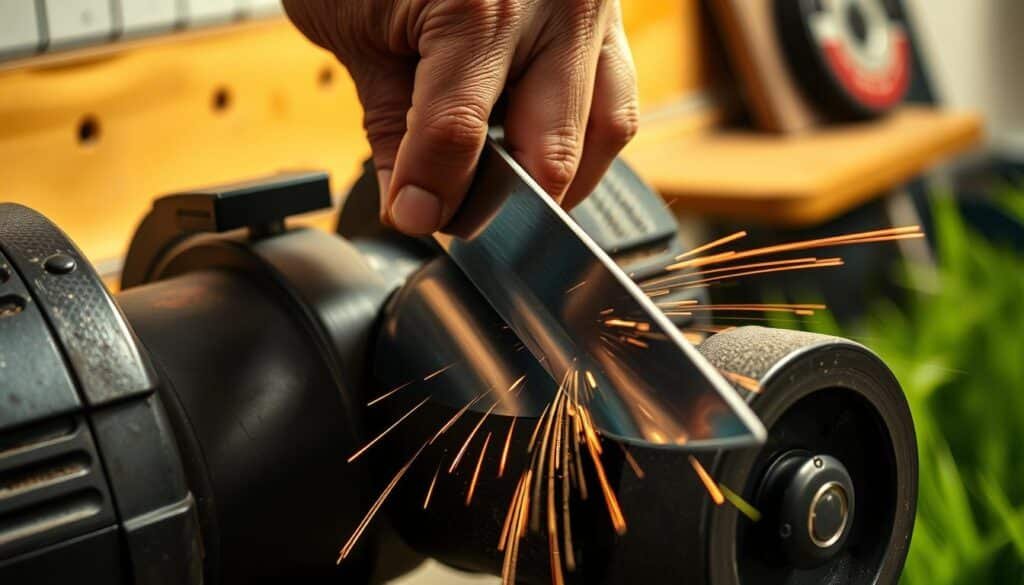
Industry experts reveal a surprising truth about factory-fresh cutting tools. Most landscaping professionals recommend at least a light sharpening before initial use. This practice ensures peak cutting performance from day one.
Manufacturers design factory edges with safety and handling as priorities. The resulting edge often lacks the crispness needed for optimal lawn care. Commercial operations understand this distinction clearly.
Professional standards call for preparing replacement blades with precision. These experts maintain multiple properties and recognize how blade quality affects efficiency. Their routine includes sharpening new components as standard procedure.
Visual inspection helps determine when sharp blades are necessary. Hold the cutting tool at an angle and check for light reflection along the edge. A rounded rather than crisp feel indicates you need sharpen the component.
The difference becomes visible in your turf’s appearance. Properly honed mower blades create clean cuts that heal quickly. Duller factory edges tear grass, leaving brown tips and compromising plant health.
Following this expert approach demonstrates commitment to proper maintenance. It ensures your landscape receives the same quality care that professionals provide their clients. Avoid assuming that factory-fresh automatically means ready for optimal performance.
Maintaining Your Mower for Optimal Performance
A well-maintained mower becomes a reliable partner in achieving professional-looking results. Consistent attention throughout the season ensures your equipment performs at its best.
Essential Safety and Maintenance Tips
Safety should always come first when working with cutting equipment. Always disconnect the spark plug wire before handling any blade maintenance tasks.
Wear heavy gloves and work on a stable surface to prevent accidents. These simple tips protect you during routine care procedures.
Establishing a regular schedule helps remember important maintenance tasks. Check blade condition frequently throughout the mowing season.
| Maintenance Task | Frequency | Benefit |
|---|---|---|
| Blade Sharpening | Every 20-25 hours | Clean cutting performance |
| Blade Inspection | After hitting rocks or objects | Prevents damage progression |
| Complete Tune-up | 2-3 times per year | Extended equipment life |
Regular maintenance is the foundation of reliable equipment performance and excellent lawn care results.
When encountering hard objects like rocks during mowing, inspect the blade immediately. Impacts can create nicks affecting cutting quality.
Replacing an old blade becomes necessary when noticing cracks or excessive thinning. Different mowers may have specific requirements, so consult your manual.
Investing time in proper care prevents costly repairs and extends your lawn mower‘s life by years. This commitment ensures consistent lawn care excellence.
Tools and Techniques for Effective Sharpening
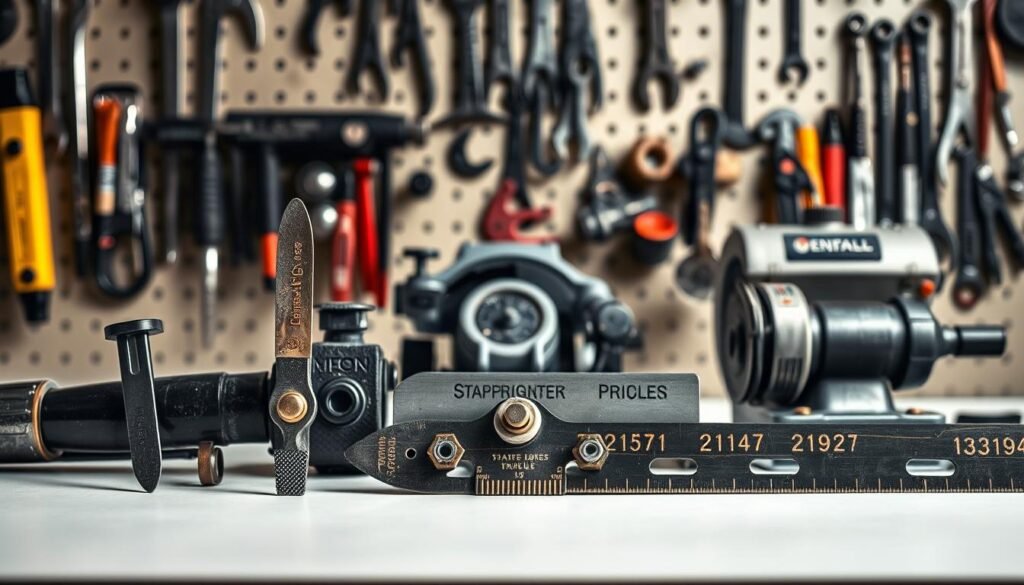
Effective blade preparation involves more than just running a file across the metal—it requires precision tools and proper angles. Selecting the right equipment ensures your cutting surfaces maintain optimal performance throughout the season.
Choosing the Right Grinder and Equipment
A bench grinder provides the fastest method for maintaining cutting edges. This equipment works well for frequent maintenance but requires careful technique.
Alternative options include angle grinders with flap discs or simple metal files. Each method suits different comfort levels and blade conditions.
| Equipment Type | Best For | Skill Level |
|---|---|---|
| Bench Grinder | Frequent sharpening | Intermediate |
| Angle Grinder | Quick touch-ups | Advanced |
| Metal File | Occasional use | Beginner |
When using power equipment, work in short passes to prevent heat buildup. Excessive heat can damage the metal’s temper over multiple sharpening times.
Determining the Optimal Cutting Angle
The correct angle typically matches the factory setting, usually between 30 and 45 degrees. Check the existing bevel on your blade to maintain consistency.
Steady hand control ensures the angle remains consistent across the entire cutting edge. An uneven angle creates poor cutting performance during mowing.
Professional techniques emphasize removing only enough material to create a clean edge, preserving blade integrity.
After working on both sides equally, test the edge sharpness carefully. Always verify balance before reinstalling the component on your equipment.
Boosting Lawn Quality with a Sharp Blade
Your lawn’s health reflects the precision of your cutting equipment’s edge. A properly maintained cutting surface creates immediate visible improvements in turf appearance and vitality.
Clean cuts achieved with sharp equipment promote faster grass recovery. Torn blades from dull edges leave brown tips and vulnerable plants.
Achieving Cleaner Cuts and Even Mowing
Each grass blade receives a precise slice that heals quickly when cut properly. This maintains the vibrant green color indicating healthy turf.
Even mowing patterns result from consistent cutting across the entire blade width. Streaky appearances disappear when equipment performs optimally.
| Sharp Blade Results | Dull Blade Results | Impact on Lawn |
|---|---|---|
| Clean, precise cuts | Torn, shredded grass | Healthier turf |
| Even cutting pattern | Uneven appearance | Professional look |
| Faster mowing | Multiple passes needed | Time efficiency |
The difference between adequate and exceptional lawn care becomes visible in every blade of grass.
Reducing Vibration and Engine Strain
Proper blade balance and sharpness protect your equipment from unnecessary stress. Excessive vibration causes component wear and potential damage.
Your engine works more efficiently with sharp cutting surfaces. Reduced strain improves fuel efficiency and extends equipment life.
Maintaining optimal blade condition throughout the season benefits both your landscape and machinery. This commitment ensures consistent performance and excellent results.
Conclusion
Your lawn’s appearance directly reflects the quality of your cutting equipment. The condition of each blade determines whether grass receives clean cut or suffers tearing damage. This fundamental difference separates adequate maintenance from exceptional lawn care.
Proper preparation ensures new blades deliver optimal performance from the start. Taking time for inspection and potential refinement pays dividends throughout the year. Your commitment to this process demonstrates understanding of effective yard maintenance principles.
The investment in proper mower blade care yields lasting benefits for both landscape and equipment. A sharp blade promotes healthier turf while reducing strain on your lawnmower. This comprehensive approach transforms ordinary results into professional-grade outcomes season after season.
FAQ
Should I sharpen a brand new lawn mower blade right away?
Generally, you do not need to sharpen a brand new blade before its first use. Most blades come from the factory with a ready-to-use cutting edge. Your initial step should be a thorough inspection for any shipping damage or imperfections that could affect performance.
How can I tell if my mower blade needs sharpening?
Look for visible signs of wear like nicks, dents, or a rounded edge instead of a sharp point. A clear indicator of a dull edge is when your grass appears torn or ragged after mowing, rather than cleanly sliced. Increased vibration from the equipment can also signal an unbalanced or dull blade.
What is the proper angle for sharpening a mower blade?
The optimal cutting angle is typically between 30 and 45 degrees. Maintaining the original factory bevel is crucial for a clean cut. Using a sharpening guide or jig can help you consistently achieve the correct angle with a file or grinder.
Why is blade balance so important?
An unbalanced blade causes significant vibration, which puts extra strain on the mower’s engine and spindle. This vibration can lead to premature wear and damage to your equipment. Always check the balance after any sharpening session.
How often should I sharpen my lawn mower blade?
For most residential lawns, sharpening the blade once or twice per mowing season is sufficient. If your yard has many rocks or other hard objects, you may need to sharpen it more frequently. Regular inspection is the best way to determine the right schedule for your lawn care needs.
Can a sharp blade really improve my lawn’s health?
Absolutely. A sharp blade makes a clean cut that seals the grass tip quickly, reducing moisture loss and stress. This promotes healthier growth and a more lush, green appearance. A dull edge tears the grass, leaving it vulnerable to disease and giving it a brownish tint.