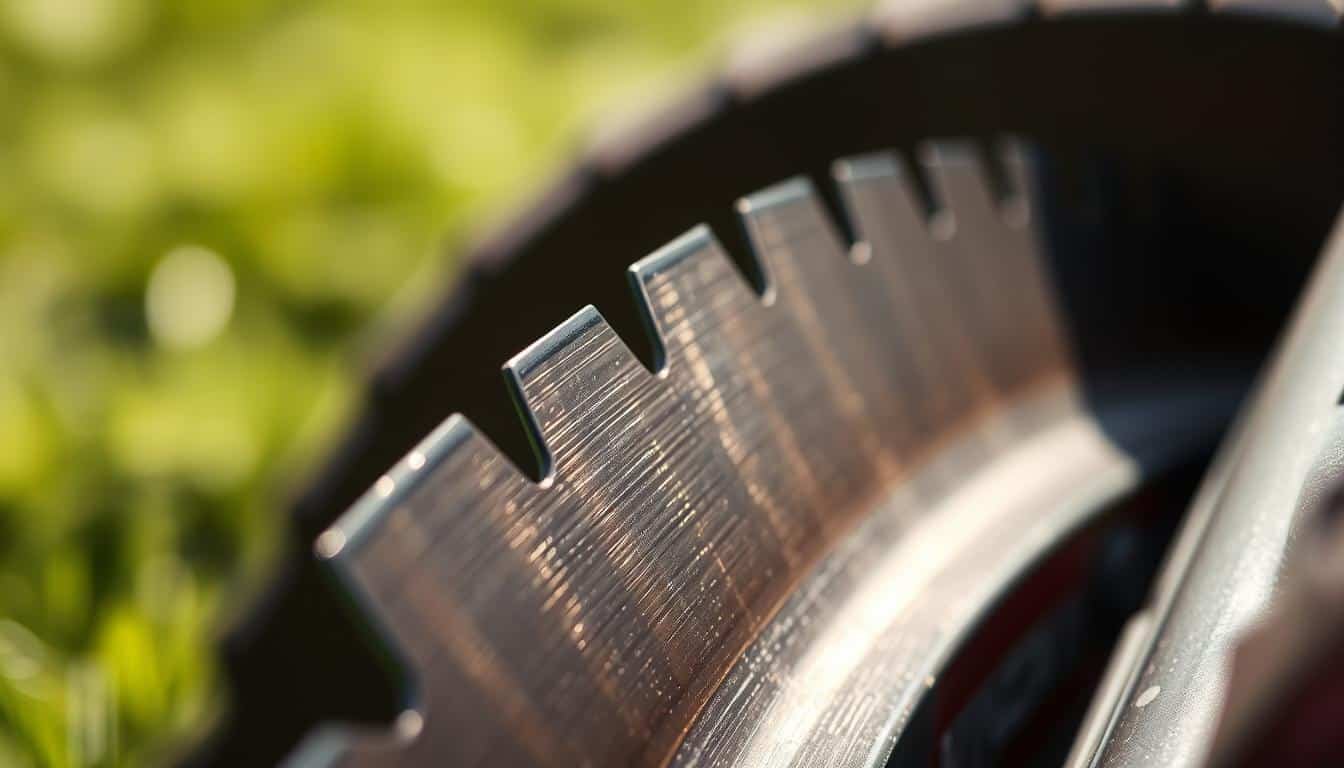
Is a factory-fresh blade ready to deliver that perfect, clean cut for your lawn? Many homeowners face this exact question when installing a replacement. Popular brands like Oregon Gator blades often arrive with a protective paint coating and an edge designed for durability, not necessarily a razor-sharp finish.
This initial condition can be misleading. The manufacturing process balances longevity with cutting performance, creating an edge that might not meet your expectations for a pristine cut. Understanding this balance is crucial for achieving a healthy, well-manicured lawn.
This guide will explore the reality of factory edges versus freshly sharpened ones. You will learn the impact each has on mowing efficiency and turf health. We provide clear, actionable advice on maintenance timing—when to sharpen and when a replacement is the better choice.
Key Takeaways
- Factory blades often have a durable edge, not a razor-sharp one.
- A protective coating on new blades can affect initial cutting performance.
- Understanding the factory edge helps set realistic expectations.
- Proper blade maintenance is key to lawn health and appearance.
- This article will clarify when to sharpen and when to replace blades.
Understanding Lawn Mower Blade Maintenance
The difference between a mediocre yard and a vibrant, healthy lawn often comes down to blade sharpness. This critical component is responsible for the quality of your cut, directly influencing the well-being of your grass.
Why Sharp Blades Matter for a Healthy Lawn
A sharp blade acts like a surgeon’s scalpel, slicing through grass with a clean cut. This precise action allows the plant to heal quickly, maintaining its vibrant green color and reducing stress.
When the edge is keen, your lawn care efforts yield superior results. The grass retains more moisture and is better equipped to resist disease.
How Dull Blades Affect Cutting Performance
In contrast, a dull blade tears and shreds grass blades instead of cutting them. This ragged injury damages the plant tissue, causing the tips to turn brown.
These torn edges create open wounds, making the lawn susceptible to pests and fungal infections. The overall appearance suffers, with uneven growth and brown patches becoming visible.
Maintaining a sharp edge throughout the season ensures consistent cutting performance. It protects your lawn’s health and reduces strain on the mower itself.
Decision Time: Do You Need to Sharpen New Mower Blades?
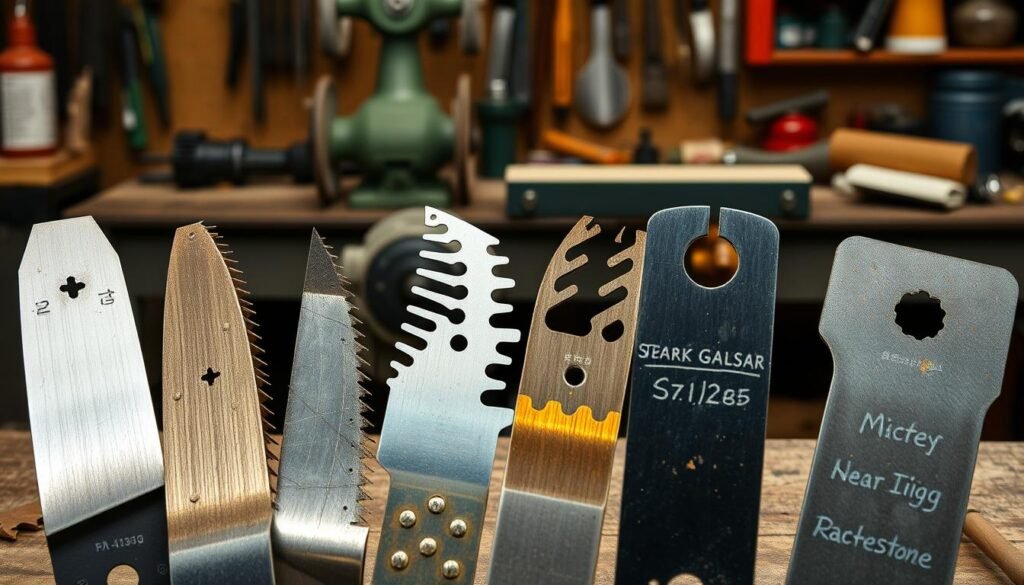
Evaluating whether to hone replacement parts immediately involves understanding factory specifications and lawn conditions. Most manufacturers design their products with a balanced edge that prioritizes durability alongside cutting efficiency.
Factory-fresh cutting components typically arrive ready for initial use. The protective coating applied during manufacturing serves to prevent corrosion rather than hinder performance.
Comparing Sharpening vs. Replacing Blades
The choice between maintenance methods depends on several factors. Grass type and mowing frequency significantly influence this decision.
Tougher turf varieties demand sharper edges for clean cuts. Regular maintenance ensures consistent performance throughout the season.
“A well-maintained cutting system protects both your lawn’s health and your equipment’s longevity.”
Consider this comparison when making your maintenance decision:
| Maintenance Option | Best For | Frequency | Cost Consideration |
|---|---|---|---|
| Sharpening Existing Components | Minor wear, DIY enthusiasts | Every 20-25 hours of use | Lower immediate cost |
| Replacement | Significant damage, bent edges | When repairs aren’t feasible | Higher upfront investment |
| Professional Service | Complex issues, time constraints | Seasonal check-ups | Moderate service fees |
Manufacturing standards vary between brands, affecting initial edge quality. Reputable companies typically provide adequate sharpness for immediate use.
Your comfort level with equipment maintenance also plays a crucial role. Understanding when each approach makes sense ensures optimal cutting performance.
Step-by-Step Guide to Sharpening Your Blades
Achieving a professional-quality cut starts with understanding proper sharpening procedures. This maintenance task ensures your equipment performs optimally throughout the mowing season.
Preparing Your Mower for Maintenance
Safety comes first when working with cutting equipment. Always disconnect the spark plug wire to prevent accidental engine starting. Position the lawnmower on its side with the air cleaner facing upward.
This prevents oil and fuel contamination during blade removal. Use the appropriate wrench or socket to loosen the blade bolts. Keep track of hardware orientation for proper reassembly.
Inspect the cutting edge thoroughly for nicks and burrs. Look for any significant damage that might require replacement rather than sharpening.
Using Tools Effectively for a Clean Cut
Maintain the original blade angle during sharpening, typically 30-40 degrees. Use a file or rotary tool to carefully remove imperfections. Avoid overheating the metal edge when using a grinder.
Finish with a honing stone to refine the cutting surface. This creates a sharp but durable edge that lasts longer.
Blade balance is critical after sharpening. Check balance using a simple balancing tool. Unbalanced components cause excessive vibration and engine stress.
Reinstall the mower blade with correct orientation. Secure bolts tightly to prevent loosening during operation. Marking the original position before removal simplifies reassembly.
Maintenance Best Practices to Enhance Mower Performance
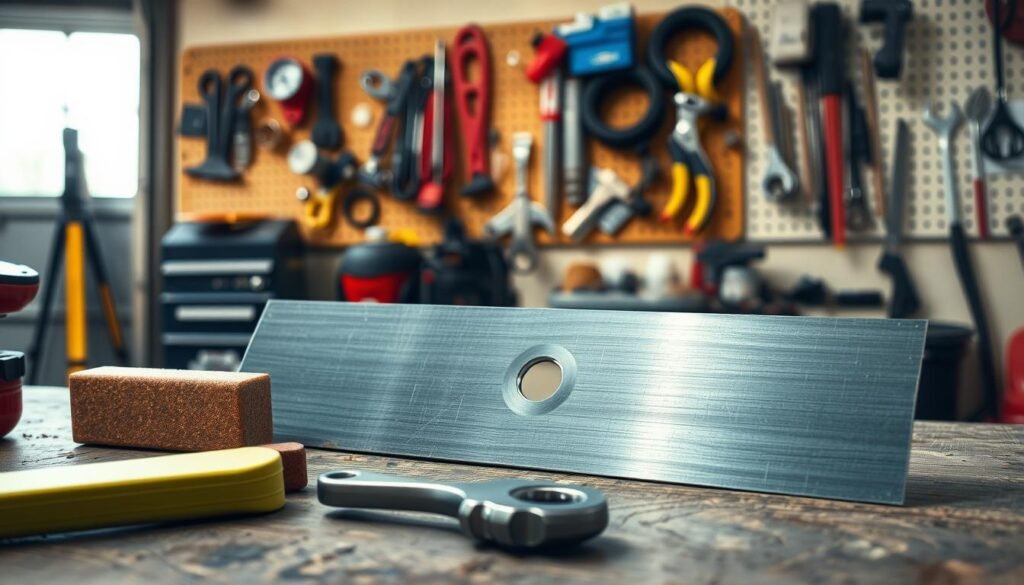
Beyond a sharp edge, proper blade balance and care are critical for optimal lawnmower performance. A consistent maintenance routine protects your equipment and ensures a beautiful lawn all season long.
Establish a simple schedule to keep your equipment in top shape. Inspect the cutting components after every 8-10 hours of use or monthly during the busy mowing season.
Tips to Prevent Excessive Vibration and Wear
Proper blade balance is essential for smooth operation. An unbalanced component causes excessive vibration, which can damage mower bearings and deck parts over time.
Check balance after any maintenance. Use a simple balancer or a nail through a wall. The blade should sit level. If one side dips, file a small amount of metal from the heavy end.
Always maintain the original cutting angle during sharpening. This preserves efficiency and prevents premature wear. Consistent care extends blade life and improves fuel economy.
Look for early warning signs of problems. Increased vibration, uneven cuts, or unusual noise mean it’s time for inspection. Sandy soil or debris will require more frequent checks.
This proactive approach saves time and money. It prevents major repairs and keeps your lawn looking great throughout the mowing season.
When It’s Time to Replace Your Mower Blades
There comes a point when even the most diligent sharpening cannot restore a blade’s cutting performance. Recognizing this threshold prevents equipment damage and protects your lawn’s health.
Identifying Warning Signs and Damage
Deep nicks, visible cracks, or bent edges indicate serious problems. These structural issues compromise safety and cutting efficiency. Metal thinning from repeated sharpening also signals replacement time.
An old blade becomes noticeably lighter after multiple sharpenings. This weight difference affects balance and performance. When the cutting edge loses its original shape, replacement becomes necessary.
“Replacing compromised lawnmower blades prevents further damage to both your equipment and turf.”
Evaluate blade condition by checking for excessive wear. Measure thickness and look for structural damage. Minor imperfections can often be filed out, but severe damage requires complete replacement.
| Condition | Repair Option | Replacement Needed | Grass Impact |
|---|---|---|---|
| Minor nicks | File smoothing | No | Minimal |
| Deep cracks | Not safe | Yes | Severe tearing |
| Bent edge | Rarely effective | Yes | Uneven cut |
| Thin from sharpening | Unsafe to continue | Yes | Poor performance |
Consult a professional dealer when uncertain about blade condition. They provide expert assessments and quality replacement options. Investing in proper lawnmower blades ensures long-term cutting excellence.
Conclusion
The foundation of excellent lawn maintenance lies in consistent blade care practices. Factory-fresh cutting components typically perform adequately for initial use, allowing you to focus on establishing a regular inspection routine.
Understanding when to maintain versus replace your equipment makes a significant difference in lawn health. Regular attention to blade condition ensures optimal performance throughout the mowing season. This proactive approach protects your investment and delivers superior results.
Proper maintenance transforms routine care into quality outcomes. From safety checks like disconnecting the spark plug to using appropriate sharpening tools, each step contributes to a clean cut. Keeping your equipment in top condition reduces strain and improves efficiency.
Implement these guidelines for professional-grade lawn care results. Whether performing maintenance yourself or consulting a dealer, consistent attention to your cutting tools pays dividends in lawn quality and equipment longevity.
FAQ
Should I sharpen my lawnmower blades immediately after buying them?
No, you typically do not need to sharpen new blades right away. They come from the factory with a sharp edge designed for optimal cutting. It’s best to install them and begin mowing. You’ll only need to perform maintenance after they become dull from use.
What is the difference between a sharp blade and a dull one?
A sharp blade makes a clean, precise cut that seals the grass blade, promoting lawn health. A dull blade tears and shreds the grass tips, leaving a ragged edge that can turn brown and make your lawn more susceptible to disease.
How often should I sharpen my mower blades?
A good rule of thumb is to sharpen your blades after every 20-25 hours of mowing time. For most homeowners, this translates to about twice per mowing season. Check the cut quality regularly; if the grass looks torn, it’s time for maintenance.
Can I sharpen the blades myself, or should I take them to a dealer?
You can definitely sharpen them yourself with basic tools like a bench grinder or a file. It’s an essential part of lawn care maintenance. However, if you’re uncomfortable or notice significant nicks and damage, a professional can ensure the correct angle and balance.
What happens if my blades are unbalanced?
An unbalanced blade causes excessive vibration, which can damage your mower’s engine and spindle over time. After sharpening, always check the balance by hanging the blade on a nail or using a balancer. A balanced blade ensures smooth operation.
When is it better to replace lawn mower blades instead of sharpening them?
Replace the blade if it has deep nicks, cracks, or is significantly worn down. If more than a couple of inches from the tip is bent or damaged, replacement is safer than trying to repair it. Severe damage compromises cutting performance and safety.