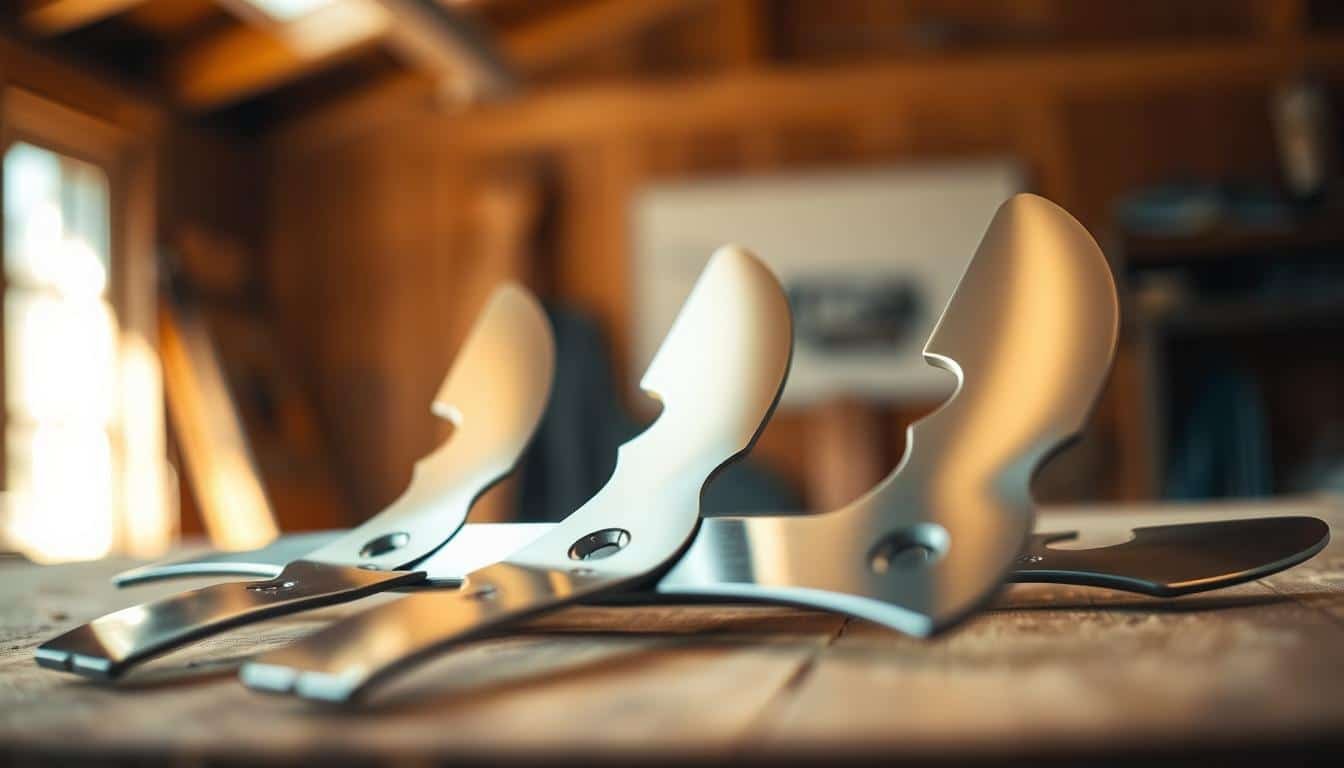
You just unboxed your shiny lawn equipment. The excitement is real. But a common question pops into your head. Should you grab a file before the first cut?
The sharpness of your cutting tools is critical for a healthy lawn. A clean slice helps grass heal quickly and resist disease. A ragged tear from a dull edge stresses your turf. It can leave it looking brown and unhealthy.
This guide provides clear answers. We will explore how blades are prepared at the factory. You will learn about proper maintenance schedules and effective sharpening methods. We also cover when a replacement is the smarter choice.
Starting your lawn care journey correctly sets you up for success. Understanding your equipment from day one saves time and effort later. Let’s get your yard looking its absolute best.
Key Takeaways
- Factory-sharpened blades are typically ready for immediate use.
- Sharp cutting edges are essential for a clean cut and healthy grass.
- Regular inspection is more important than immediate sharpening.
- Learn the signs that indicate your blades require attention.
- Proper maintenance extends the life of your lawn equipment.
- This article will guide you through sharpening and replacement decisions.
Understanding the Role of Sharp Mower Blades
Achieving that perfect lawn starts with understanding your cutting equipment’s capabilities. The cutting edge quality makes a significant difference in your yard’s overall health and appearance.
Benefits of a Clean, Precise Cut
Sharp cutting tools slice through grass cleanly rather than tearing it. This clean cut allows each grass blade to heal quickly and maintain its vibrant green color.
Your lawn’s appearance improves dramatically with proper cutting equipment. The precision creates an aesthetically pleasing, uniform look across your entire yard.
You’ll notice additional performance benefits during operation. Equipment runs smoother with less vibration and noise. This efficiency can even improve fuel consumption.
Problems Caused by Dull or Damaged Blades
Dull equipment creates ragged tears instead of clean cuts. These jagged edges leave grass tips torn and struggling to recover properly.
The torn tissue often develops an unattractive yellowish hue. This discoloration makes your entire lawn look unhealthy and poorly maintained.
More seriously, these ragged cuts create open wounds on each grass blade. Your lawn becomes more susceptible to disease, pests, and environmental stress.
The difference between sharp and dull cutting tools is immediately visible. Maintaining proper cutting edge quality directly impacts your lawn’s health and beauty.
Do New Mower Blades Need to Be Sharpened?
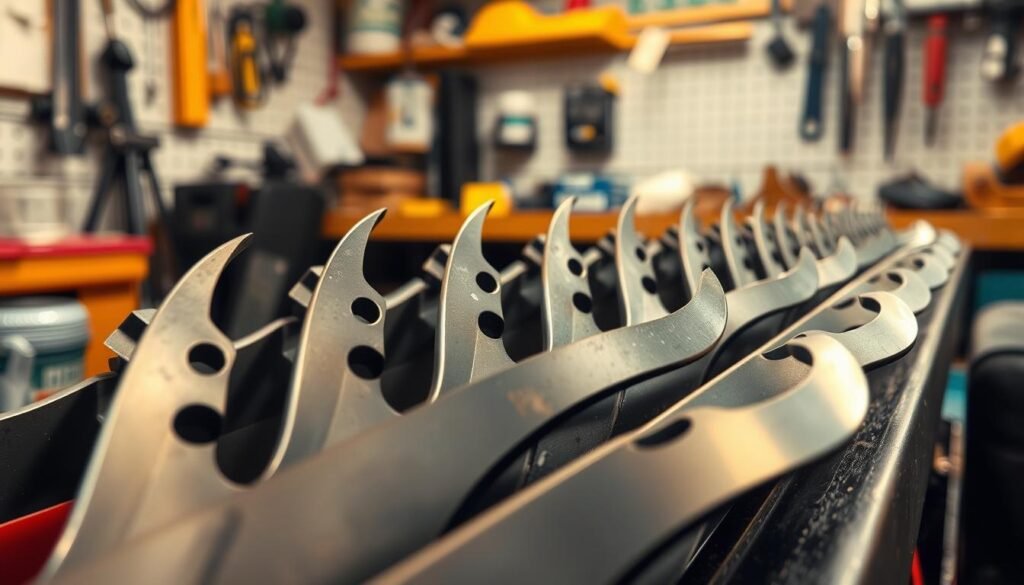
When bringing home cutting implements, proper initial setup is a common concern. Many wonder if immediate attention is required before the first use.
Manufacturers prepare these components during production to ensure they arrive ready for service. This factory preparation means you can begin lawn care immediately.
Factory-Prepped Performance Explained
Quality producers follow strict specifications when preparing cutting edges. They ensure each component meets performance standards right from the start.
This careful preparation means your equipment functions optimally upon arrival. You can trust the factory edge quality for your initial cutting sessions.
When Additional Sharpening May Be Necessary
Regular maintenance becomes important after the first season of use. Most experts recommend addressing edge quality annually.
Properties with challenging terrain may require more frequent attention. Debris like sticks and stones can accelerate wear on cutting surfaces.
Larger lawns or frequent cutting sessions also impact maintenance schedules. Establishing a consistent care routine extends equipment lifespan.
While factory preparation ensures immediate readiness, periodic upkeep maintains optimal performance. Your cutting tools will deliver better results with proper seasonal care.
How to Sharpen Your Mower Blades
Sharpening your own mower blades can save money and extend equipment life. This hands-on approach gives you control over cutting quality. Proper maintenance ensures consistent performance season after season.
Step-by-Step DIY Process
Begin by disconnecting the spark plug wire for safety. This prevents accidental engine starting during your work.
Tip your mower on its side with the air cleaner facing upward. This positioning prevents fuel or oil spills. Remove the blade bolts using a wrench or socket set.
Inspect the cutting edge for nicks and damage. Use a file or rotary tool to smooth imperfections. Work slowly to maintain the proper bevel angle.
For significantly dull edges, a grinding wheel restores sharpness. Follow with a honing stone for fine refinement. The goal is a clean edge without deep gouges.
Reinstall the blade carefully, aligning bolt holes correctly. Tighten bolts securely before reconnecting the spark plug wire.
Essential Safety Precautions
Always wear eye protection and gloves when handling blades. Sharp metal edges can cause serious injury.
Verify blade balance after sharpening. An unbalanced blade causes vibration and equipment damage. Check your product manual for specific balance requirements.
Remember that cutting tools don’t need razor-sharp edges. A properly beveled edge provides optimal grass care without excessive wear.
Factors Influencing Blade Maintenance and Replacement
The frequency of blade care isn’t one-size-fits-all—it depends heavily on your specific property conditions. Several elements work together to determine how often your cutting tools require attention.
Your maintenance schedule extends beyond seasonal recommendations when you understand these variables. Proper awareness helps prevent unexpected equipment issues.
Impact of Yard Conditions and Usage Frequency
Your property’s characteristics significantly affect blade wear. Yards containing stones, sticks, and debris cause more frequent damage to cutting edges.
These objects create nicks and dents that reduce cutting efficiency. Regular encounters with hidden obstacles accelerate the need for sharpening.
Mowing frequency plays an equally important role. Larger lawns requiring weekly attention demand more maintenance than occasional trimming sessions.
Setting your cutting deck too low increases impact with ground objects. This misadjustment causes severe damage requiring immediate attention.
Effects on Mower Engine and Overall Performance
Dull blades force your engine to work harder during operation. This extra strain reduces fuel efficiency and can shorten engine lifespan.
You might notice increased vibration or longer mowing times as indicators of wear. These symptoms suggest your cutting tools need inspection.
Neglected maintenance leads to clogged decks and uneven grass cutting. Your lawn’s appearance suffers when blades lose their sharpness.
Understanding these factors makes a significant difference in equipment longevity. Proper care ensures optimal performance throughout the mowing season.
Tools and Techniques for Optimal Blade Care
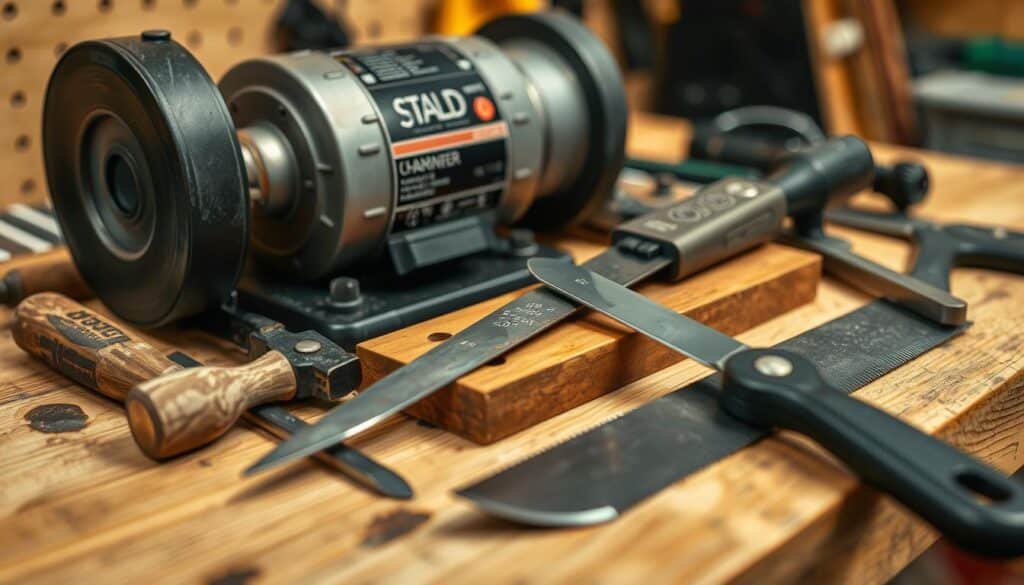
Proper tools transform blade care from a chore into a precision task. The right equipment ensures consistent results and protects your investment.
Recommended Sharpening Tools and Methods
A dedicated sharpening tool provides the most consistent results. These specialized devices maintain proper angles automatically. You can find quality options at hardware stores or online retailers.
The blade balancer is essential for preventing performance issues. An unbalanced cutting component causes excessive vibration. This strain damages your equipment’s spindle and engine over time.
For manual sharpening, start with a file or rotary tool. Use a grinding wheel for significant edge restoration. Finish with a honing stone for perfect refinement.
Always use a torque wrench during installation. This ensures proper bolt tightness according to manufacturer specifications. Keep spare cutting components on hand for quick swaps.
Safety gear like eye protection and heavy-duty gloves is non-negotiable. Maintain consistent angles across the entire cutting surface. This approach preserves balance while achieving sharpness.
When to Replace Instead of Sharpening
There comes a point in every lawn equipment’s life when maintenance is no longer sufficient. Knowing when to swap out your cutting tools entirely can save you time and money in the long run.
Most homeowners find that replacing their cutting components every 4-5 seasons works well. This schedule balances cost with performance. Some prefer annual replacement, but sharpening each year and replacing every five years offers a more economical approach.
Identifying Signs of Irreversible Blade Wear
Look for significant thinning of the metal or large gouges that filing cannot remove. These indicate the component has reached its service limit. Bent or warped shapes also signal replacement time.
Your property’s characteristics affect replacement frequency. Rocky soil or frequent obstacles may require more frequent swaps. The condition of your cutting tool determines the right timing.
Always disconnect the spark plug wire before starting replacement work. Tip your equipment with the air cleaner facing upward. Remove the old component and install the new one with properly aligned bolt holes.
Use a torque wrench for secure installation. Wear gloves and safety gear during the process. Proper replacement restores cutting performance and reduces strain on your equipment.
Conclusion
Your journey to a healthier lawn starts with proper cutting tool maintenance. The central question about immediate sharpening has a clear answer. Factory-prepared components arrive ready for service.
Establishing a consistent care routine makes a significant difference in your lawn’s appearance. Annual attention at each season’s beginning maintains optimal performance. Replacement every four to five years keeps your equipment running smoothly.
Whether you choose DIY maintenance or professional assistance, both approaches work well. Experts can assess condition and perform necessary services if you prefer help. Following these guidelines ensures your grass receives clean cuts rather than damaging tears.
Your lawn care efforts will yield professional-quality results with proper attention. A well-maintained mower delivers the healthy, attractive yard you desire.
FAQ
Are brand-new lawn mower blades ready to use?
Yes, most blades come from the factory with a sharp edge. They are designed for immediate use. You can install them and start cutting your grass right away.
Why is a sharp cutting edge so important for my lawn?
Sharp blades create a clean cut that seals the grass tip. This helps your lawn retain moisture and stay healthy. A dull edge tears the grass, leaving it vulnerable to disease and giving it a brown, ragged appearance.
What problems can a dull mower blade cause?
A dull blade doesn’t just make your yard look bad. It puts extra strain on your mower’s engine, reduces fuel efficiency, and can cause uneven cutting. You might also notice more vibration during operation.
When should I consider sharpening a new blade?
Inspect the edge before the first use. If you see any nicks or a noticeably poor edge from shipping or handling, a quick sharpening can improve performance. Hitting objects like sticks or rocks can also damage a new blade quickly.
How often should I sharpen my mower blades?
A> A good rule is to sharpen them at least once per mowing season. If you have a large yard or frequently hit debris, you may need to do it more often. Check the edge every few uses for signs of wear.
What is the safest way to remove and sharpen a blade?
Always disconnect the spark plug wire first! Use a block of wood to stop the blade from turning when loosening the bolt. A bench vise, safety glasses, and a file or grinder are essential tools for the sharpening process itself.
How do I know when to replace the blade instead of sharpening it?
If the blade is badly bent, has deep cracks, or is worn down significantly from repeated sharpening, it’s time for a replacement. A severely damaged blade cannot be balanced properly and is unsafe to use.
Why is balancing the blade so critical after sharpening?
A> An unbalanced blade causes excessive vibration. This vibration can damage your mower’s spindle and engine over time. Always check the balance with a simple blade balancer after any sharpening work.