What if the key to a perfect lawn isn’t just buying a new mower blade, but what you do before its very first cut? Many homeowners assume that a factory-fresh component is ready for immediate, peak performance. This common belief, however, might be setting your lawn up for a disappointing start.
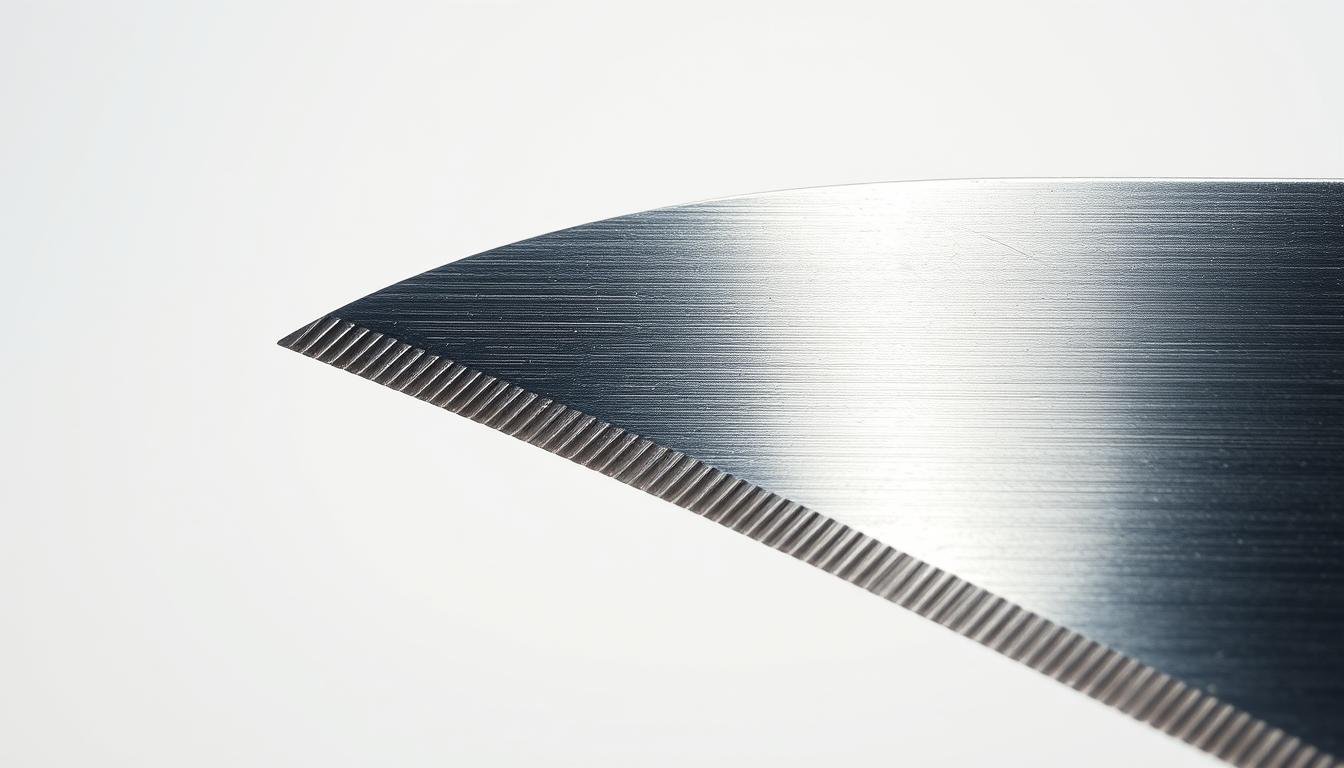
Brand-new mower blades, including popular models like Oregon Gator blades, often leave the manufacturer with a protective coating. This paint is applied to prevent corrosion during storage and shipping. Unfortunately, this layer can hinder the cutting edge’s ability to slice cleanly through grass.
The result is often a torn, ragged cut instead of a clean snip. Torn grass blades are more than just an eyesore; they can turn brown and become vulnerable to disease. This directly impacts the overall health and quality of your turf.
Understanding this initial condition of your equipment is the first step toward superior lawn care. Taking a moment to assess the sharpness can make a significant difference in your results.
Key Takeaways
- New lawn mower blades frequently have a protective paint coating that can reduce cutting efficiency.
- A sharp blade provides a clean cut, which is crucial for the health and appearance of your grass.
- Torn grass from a dull cutting edge can lead to browning and increased disease susceptibility.
- Factory edges are often functional but may not be optimized for the best possible cut.
- Inspecting a new blade before its first use can prevent a poor initial mowing experience.
- The sharpness of your mower’s blade is a direct factor in achieving a high-quality lawn.
Do I Need to Sharpen a New Mower Blade?
Achieving that perfect striped lawn begins with understanding the true condition of your equipment right out of the box. Many homeowners operate under misconceptions about factory-fresh components.
Exploring Common Myths
One widespread belief suggests that manufacturers deliver razor-sharp edges ready for immediate use. In reality, factories prioritize shipping safety and corrosion resistance over optimal cutting performance.
When inspecting fresh components, you’ll often find a relatively blunt surface compared to professionally honed edges. This affects how cleanly they slice through turf.
Another misconception involves warranty concerns. Proper maintenance actually enhances performance without voiding guarantees. Taking this preparatory step establishes a baseline for future sharpness recognition.
Benefits of a Clean Cutting Edge
The advantages of starting with properly prepared equipment cannot be overstated. Sharp edges create surgical cuts that allow grass to heal rapidly.
Dull surfaces tear rather than slice, stressing your turf and creating entry points for disease. This difference becomes immediately apparent during the first cutting session.
You’ll notice cleaner results, reduced clumping, and a professional finish. Establishing this standard from the beginning ensures consistent lawn health throughout the season.
Steps for Sharpening Your Mower Blade Safely
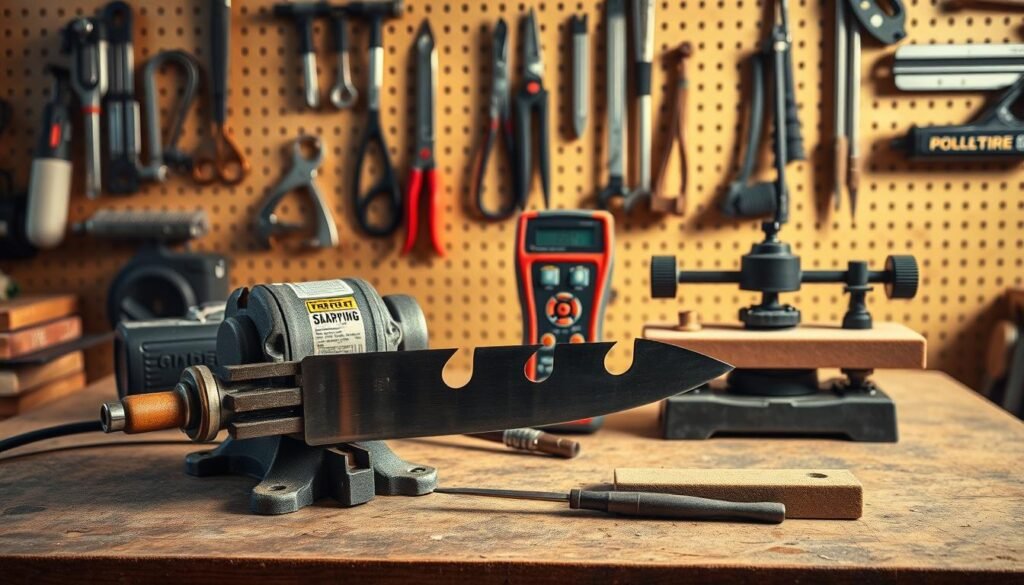
Safety and precision are the two pillars of effectively honing your lawn equipment. A careful approach protects you and ensures a quality result for your turf.
Choosing the Right Tools and Equipment
Selecting the proper tool is your first step. Power options like a bench grinder are fast. A handheld angle grinder offers great control.
For manual work, a mill bastard file or a sharpening stone is ideal. Always use safety glasses and gloves. Secure the component in a sturdy vise.
| Tool Type | Best For | Approximate Time |
|---|---|---|
| Bench Grinder | Quick, aggressive material removal | 10-15 minutes |
| Angle Grinder | Detailed control over the edge | 15-20 minutes |
| Mill File | Precise, manual sharpening | 20-30 minutes |
| Sharpening Stone | Finishing and touch-ups | 10-15 minutes |
Correct Angle and Technique for a Precise Cut
Maintain the original factory angle, usually between 30 and 45 degrees. This is crucial for a clean cut.
Only work on the top side of the cutting edge. Follow the existing bevel with smooth, consistent strokes. Pay extra attention to the tip of the blade.
Your goal is a durable, sharp edge, not a razor edge. Check your progress frequently. This ensures an even finish across both blades.
Tips for Maintaining Sharp Blades Throughout the Season
Regular upkeep of your rotary blades during active use months protects both your machine and turf. Establishing consistent care habits prevents performance decline and equipment damage.
Balancing Your Blade for Optimal Performance
Proper balance is crucial after any sharpening work. An unbalanced component creates excessive vibration that strains your mower‘s engine and deck.
Use a blade balancer or simple nail test to check equilibrium. Remove material from the heavier side’s back until level.
Protecting Your Lawn from Damage
Sharp blades create clean cuts that promote healthy grass growth. Torn turf becomes vulnerable to disease.
Clear your lawn of sticks and rocks before each session. Avoid mowing wet grass to reduce clumping and tearing.
Troubleshooting Common Issues like Nicks and Vibration
Minor nicks from debris can be filed out during routine maintenance. Deep damage requires replacement.
Persistent vibration after balancing suggests bent components or worn bearings. Address these issues promptly to prevent further damage.
Conclusion
Ultimately, the initial preparation of your equipment is a small investment with a substantial return. Taking a few moments to ensure a truly sharp cutting edge before the first mow of the season makes a significant difference. Your lawn‘s health and appearance benefit immediately from a clean cut.
This practice is not just a one-time event but an essential maintenance task for the entire year. Regularly honing your mower blades ensures consistent, high-quality results. It protects your turf from stress and disease season after season.
The knowledge you now possess empowers you to achieve a professional-looking lawn. Consistent care of your mower blade is a cornerstone of effective lawn care. Your grass will visibly reward this attention with lush, resilient growth.
FAQ
Is sharpening a brand new rotary blade necessary before the first mow?
No, it is generally not required. Quality mower blades come from the factory with a sharp cutting edge ready for use. Sharpening them immediately could remove the protective coating and potentially shorten the blade’s lifespan.
What are the signs that my lawn mower blade needs sharpening?
Look for a ragged, torn appearance on your grass tips instead of a clean cut. Increased engine strain, uneven cutting height, and visible nicks or dents on the blade’s edge are clear indicators that maintenance is due.
How often should I check and sharpen my blades?
Inspect your equipment after every 20-25 hours of mowing time. For most homeowners, this translates to a check-up a few times per season. Sharpening frequency depends on your yard; contact with sticks and rocks will dull the edge faster.
Can I sharpen the blade myself, and what tool is best?
Yes, with proper safety precautions. A bench grinder is efficient for removing material quickly, while a hand file offers more control. Always maintain the original angle of the cutting edge and ensure the blade is balanced afterward to prevent vibration.
When is it better to replace the blade instead of sharpening it?
Replacement is recommended if there is significant damage, such as large bends, deep cracks, or if the blade has been sharpened many times and is noticeably shorter. A severely unbalanced blade that cannot be corrected also warrants a new one.